#LangChain
1333 related articles

·4 min
LangChain V1.3 in Practice: Master AI Engineering Thinking and Break Free from Tool Dependency
LangChain V1.3 course deep-dive: why engineering thinking beats tool-chasing. Covers RAG accuracy myths, Token cost control, and LangChain/LangGraph/Deep Agent breakdowns.
Read more →
·3 min
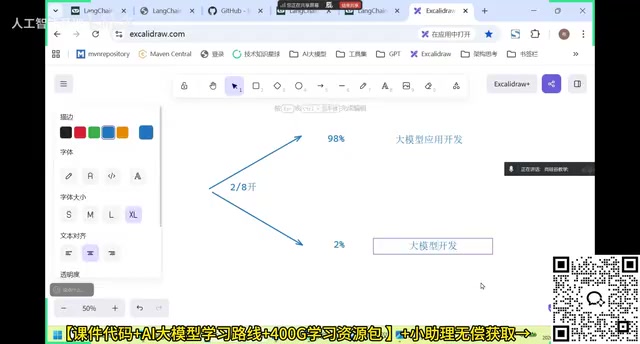
LangChain Practical Guide: From RAG Applications to Intelligent Agent Development
A comprehensive guide to LangChain: core concepts, RAG applications, Agent development, version selection (0.3/1.0), and career opportunities for Java/Python developers entering LLM development.
Read more →

·2 min
LangChain in Practice: Building the ChatDoc Document Chat Application with RAG
An in-depth explanation of RAG (Retrieval-Augmented Generation) principles, with a hands-on guide to loading PDF, Word, and other document formats in LangChain to build a complete ChatDoc Q&A app.
Read more →

·3 min
LangChain 1.3 in Practice: A Complete Technical Guide from LLMs to DeepAgent
An in-depth analysis of the core knowledge system of LangChain 1.3, covering the Harness architecture philosophy, DeepAgent positioning, LangGraph fundamentals, Agent memory, and human-in-the-loop.
Read more →

·3 min
LangChain V1.3 Hands-On Tutorial: A Complete Breakdown of RAG, Multi-Agents, and Engineering Mindset
An in-depth look at LangChain V1.3's core philosophy: from RAG to multi-agent workflows. Master LangGraph, Chain, and DeepAgent, learn token control and Human-in-the-loop, and become a true master of AI app development.
Read more →

·4 min
Getting Started with LangChain: LLM Limitations, Agent Principles, and Environment Setup in Practice
An in-depth look at LangChain's core value: the three limitations of LLMs, unified model interfaces, modular architecture, configuring the DeepSeek API, and understanding the SystemMessage/HumanMessage/AIMessage/ToolMessage system to build a foundation for Agent development.
Read more →

·3 min
Getting Started with AI Agent Development: A Three-Step Practical Path with Python + LangChain
Learning AI Agent development is no longer daunting! This article outlines the simplest practical path: master just enough Python, grasp core LLM concepts, then build your first Agent with LangChain.
Read more →

·3 min
Langchain.js Agent Development: A Guide to Deconstructing the OpenClaw Engine Architecture
An in-depth analysis of AI agent development based on Langchain.js—comparing workflow agents and Agent Loops, deconstructing the TypeScript implementation path of an OpenClaw-like engine, covering structured output, MCP, and LangGraph.
Read more →

·3 min
Getting Started with LangChain: The Core Framework for LLM Application Development and Its Three Key Components
LangChain is the leading open-source framework for LLM application development, supporting GPT-4, GLM, and other mainstream models. This article dives into its three core concepts: Components, Chains, and Agents.
Read more →

·4 min
Four Major LangChain Updates: OpenWiki, Voice Agents, and Sub-Agent Orchestration Explained
LangChain releases four major updates: OpenWiki for auto-generating codebase docs, voice agent tutorials, Harbor evaluation integration, and deepagents programmable sub-agents.
Read more →

·5 min
Getting Started with LangChain: LLM Invocation, Agent Practice, and Environment Setup Guide
Starting from the three limitations of LLMs, this guide systematically explains LangChain's core positioning, environment setup, API key prep, model init, and the message system. Learn init_chat_model and AIMessage/HumanMessage/SystemMessage.
Read more →

·3 min
Deep Dive into LangChain's Three Core Modules: A Complete Guide to Agent Architecture Thinking
Deep dive into LangChain's three modules: Chain pipelines, LangGraph state graphs, and autonomous planning Agents. From RAG to ReAct — build your AI architecture thinking.
Read more →

·2 min
LangChain Prompt Templates in Practice: Building Your Own Customizable AI JARVIS
Learn LangChain Prompt templates and prompt engineering to build a customizable AI assistant like JARVIS. Covers LLM vs Chat Model differences with practical examples.
Read more →
·7 min
Getting Started with LangChain 1.3: Core Concepts of LLMs and Agents
An in-depth breakdown of LangChain 1.3's core concepts, covering the three major limitations of LLMs, Agent architecture, memory management, and a complete learning path. Master LangChain and LangGraph to quickly build AI development skills.
Read more →

·2 min
LangChain Fundamentals: A Deep Dive into Components, Chains, and Agents
LangChain is an open-source framework connecting LLMs with external data. This guide explains its three core components: Components, Chains, and Agents for enterprise AI development.
Read more →
·7 min
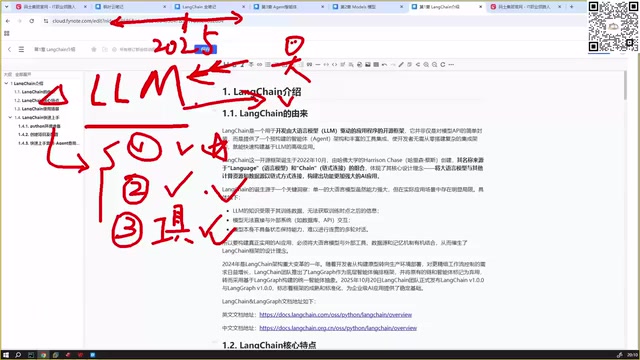
LangChain Hands-On Guide: From LLM Calls to Agent Development
Master LangChain from scratch: the three limitations of LLMs, init_chat_model unified interface config, the Message type system, and the path from LLM calls to Agent development.
Read more →

·7 min
Getting Started with LangChain: The Core Framework Connecting LLMs and AI Applications
A deep dive into LangChain's positioning and value—why do LLMs need a middle layer? How does LangChain serve as the 'glue' unifying multi-model interfaces and supporting Agent development? Learn its core modules and learning path.
Read more →

·7 min
A Java Developer's Guide to AI: Framework Selection and Practical Tutorial for LangChain4J
As LLM costs keep falling, how can Java developers seize the AI opportunity? This article explores LangChain4J's core capabilities, supported models and vector databases, and compares LangChain4J vs. Spring AI to help you build local knowledge bases and intelligent customer service systems.
Read more →

·6 min
LangChain 1.3 in Practice: A Complete Guide to DeepAgent Architecture and the Harness Philosophy
An in-depth look at LangChain 1.3's core modules and DeepAgent architecture—covering the Harness philosophy, LangGraph internals, HITL, memory management, and guardrails to master production-grade AI Agent development.
Read more →
·7 min
LangChain.js + Nuxt.js: An AI Full-Stack Advancement Path for Frontend Engineers
Frontend hiring now treats AI capabilities as a core assessment, covering RAG knowledge bases, AI Agent development, and LangChain.js engineering. Learn how LangChain.js + Nuxt.js helps frontend developers build memory- and retrieval-capable AI full-stack apps.
Read more →