#Meta open source
2458 related articles
 Deep Dives
·3 min
Deep Dive into OpenAI Agent Kit: Can It Really Replace Dify and n8n?
Deep analysis of OpenAI's Agent Kit visual workflow system: feature breakdown, comparison with Dify/n8n, scenario limitations, and the strategic intent behind its launch.
Read more →
 Deep Dives
·3 min
Deep Dive into OpenAI Agent Kit: Can It Replace Dify or n8n?
In-depth analysis of OpenAI's Agent Kit visual workflow tool vs Dify, n8n, and Coze—examining its real capabilities, strategic intent, and actual impact on the AI workflow automation ecosystem.
Read more →
 Product Reviews
·4 min
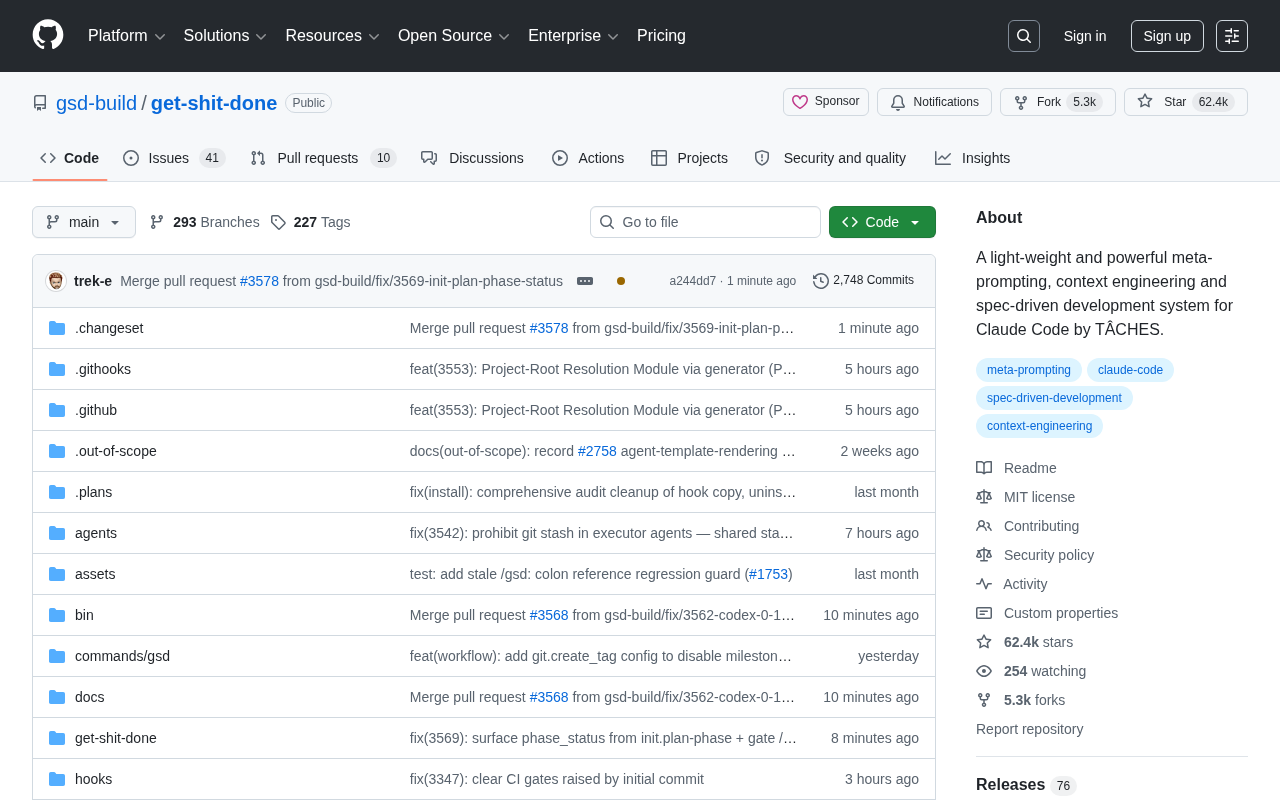
Get Shit Done: Full Breakdown of the 60K-Star Claude Code Meta-Prompting & Spec-Driven Development System
Deep dive into Get Shit Done (GSD), a 62K-star GitHub project built for Claude Code. Covers meta-prompting, context engineering & spec-driven development.
Read more →
 Tutorials
·4 min
Codex + Ollama Local Deployment Guide: Build a Free AI Coding Assistant at Zero Cost
Step-by-step guide to deploying Codex with Ollama locally for a free AI coding assistant, covering hardware checks, Ollama setup, model downloads, and full integration configuration.
Read more →
 Product Reviews
·3 min
A Comprehensive Guide to the OpenAI Codex APP: Feature Breakdown and the New Paradigm of AI Programming
Deep dive into OpenAI Codex desktop app: real-time task management, Skills system, MCP protocol integration, Work Trees isolation, and automated tasks reshaping developer workflows.
Read more →
 Tutorials
·4 min
RAGFlow Deployment Tutorial: Complete Hands-On Guide from Docker Installation to Agent Workflows
Step-by-step RAGFlow deployment guide: Docker setup, DeepSeek model integration, knowledge base creation, document parsing, chat assistants, and Agent workflow orchestration with website embedding and API usage.
Read more →
 Tech Frontiers
·2 min
Meta Shuts Down Core Metaverse Project — An $80 Billion Lesson Learned
Meta shuts down Horizon Worlds VR after $80B investment. Google tightens Gemini CLI free access, OpenAI acquires Astro for Codex, and the Turing Award goes to quantum for the first time. 2026's full pivot to AI.
Read more →
 Product Reviews
·4 min
MiniMax AI Agent Review: Testing 3 Real-World Scenarios with This Free AI Agent
In-depth MiniMax AI Agent review: tested across business plans, research reports, and PPT creation. Powered by MiniMax M1 with 1M token context. Free to start.
Read more →
 Product Reviews
·3 min
Crush CLI: The Fastest Terminal AI Coding Assistant Built with Go
Crush CLI is a Go-based terminal AI coding assistant reborn from OpenCode, featuring LSP enhancement, multi-model switching, and multi-session management. Pair it with free Qwen 3 Code for zero-cost professional AI coding assistance.
Read more →
 Tech Frontiers
·4 min
Claude's Quota Slashed by 20x — Can GLM 4.6 Be the Best Alternative?
Anthropic slashes Claude Max Opus quotas by 20x, driving developer exodus. GLM 4.6 enters with 1/10th API pricing, 200K context window & open weights. Full comparison inside.
Read more →
 Product Reviews
·3 min
VS Code AI Toolkit 2.0 Deep Dive: Agent Builder + Free Access to GPT-5
Deep dive into VS Code AI Toolkit 2.0 major update, covering Agent Builder, MCP tool integration, batch testing, model evaluation, and a complete guide to using GPT-5 and Claude for free via GitHub Models.
Read more →
 Tutorials
·3 min
Claude Code Skill in Practice: Building a Standardized Code Explanation Workflow
Learn how to use Claude Code's Skill mechanism to standardize code explanation workflows with a four-step method: analogy, flowchart, breakdown, and pitfall reminders.
Read more →
 Tutorials
·4 min
Hermes Agent in Practice: Building a Memory-Persistent AI Assistant with a Four-Layer Memory System
Deep dive into Hermes Agent's four-layer memory system architecture, covering Harness Engineering principles, Lark integration, persistent memory configuration, and autonomous Skill evolution for building AI assistants that never forget.
Read more →
 Tech Frontiers
·3 min
OpenAI's Triple Launch: A Deep Dive into O3, O4-mini, and Codex CLI
Deep dive into OpenAI's latest O3 multimodal model, O4-mini lightweight model, and open-source Codex CLI tool, covering benchmarks, use cases, and impact on AI development.
Read more →
 Product Reviews
·4 min
AI Coding Tools Compared: Free Plans for Students Using Trae/Cursor/Claude Code
Compare Trae CN, Cursor, VS Code plugins, and Claude Code across cost, ease of use, and flexibility. Get free and low-cost AI coding setup recommendations for students.
Read more →
 Product Reviews
·3 min
Trae vs Qoder vs Claude Code: In-Depth Comparison of Three Major AI Coding Tools in 2025
In-depth comparison of Trae, Qoder, and Claude Code across code comprehension, automation, and pricing. Trae is free with Solo auto mode, Qoder excels at Java cross-file refactoring, Claude Code tops code quality. Includes buying guide.
Read more →
 Tutorials
·4 min
Gemini CLI Installation & Configuration Guide: Getting Started with Google's AI Terminal Programming Assistant from Scratch
Complete guide to installing, configuring, and using Google Gemini CLI. Covers Node.js setup, npm global installation, Google account authentication, and project context analysis to help developers get started with this AI terminal programming assistant.
Read more →
 Tech Frontiers
·2 min
Andrew Ng Partners with Google to Launch Gemini CLI Course: A Practical Guide to AI Coding Assistants
Andrew Ng partners with Google on a free Gemini CLI course covering installation, MCP automation, and agentic coding workflows using a real AI conference planning scenario.
Read more →
 Deep Dives
·3 min
Decoupled DiLoCo Explained: Making Large-Scale GPU Training Resilient to Failures
Deep dive into Decoupled DiLoCo distributed training: how decoupling training units enables fault tolerance, letting large-scale AI training continue through node failures and reducing downtime loss from 100% to 1%.
Read more →
 Deep Dives
·4 min
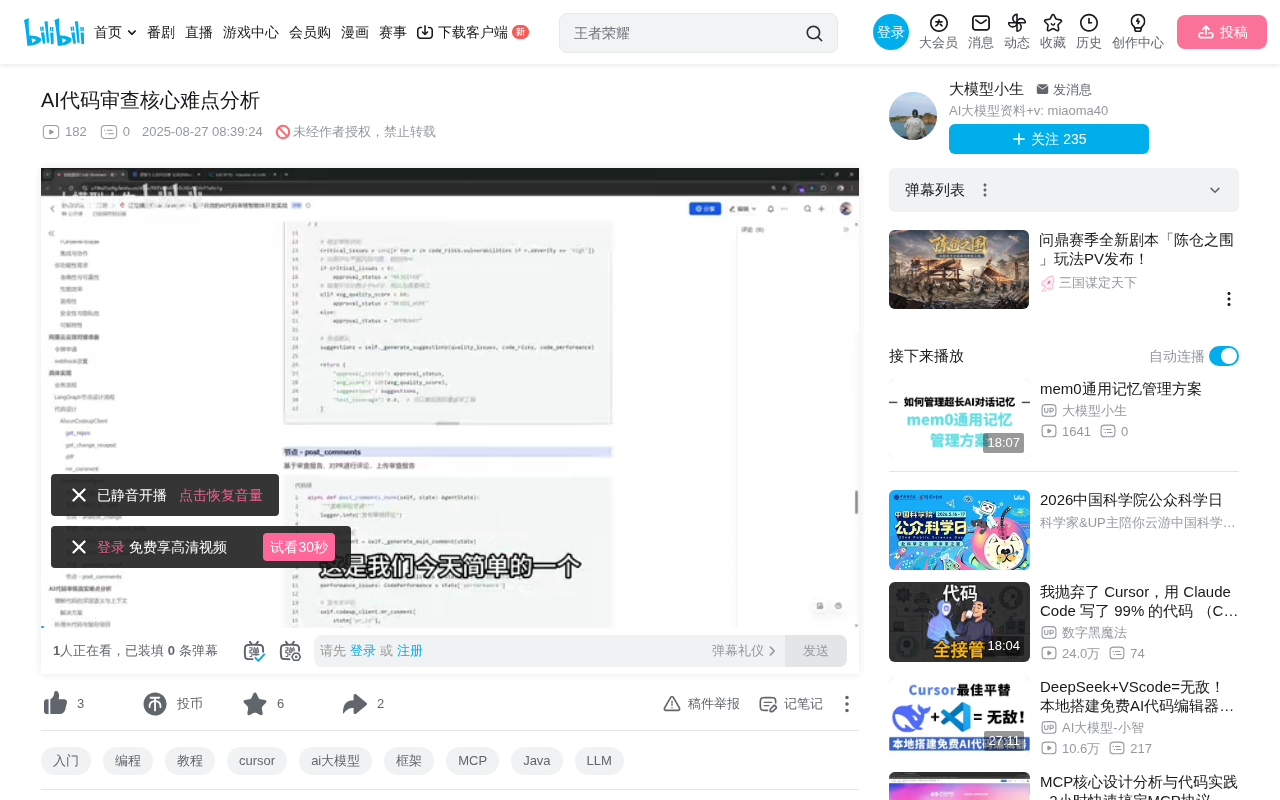
AI Code Review from 30 to 80 Points: A Complete Guide to AST + RAG Architecture Challenges
Deep dive into AI code review system architecture with AST parsing, RAG retrieval, and vector databases. Learn how to boost review effectiveness from 30% to 80%.
Read more →