#contract drift
72 related articles

·6 min
AI Data Centers Flood Into Rural America: A Complete Analysis of Compute Expansion and Community Battles
The generative AI boom is driving rapid data center expansion into rural America, drawn by cheap land, power, and water. But high water and energy use, unmet job promises, and noise pollution are sparking community resistance. A deep dive into siting logic and equitable solutions.
Read more →
·3 min
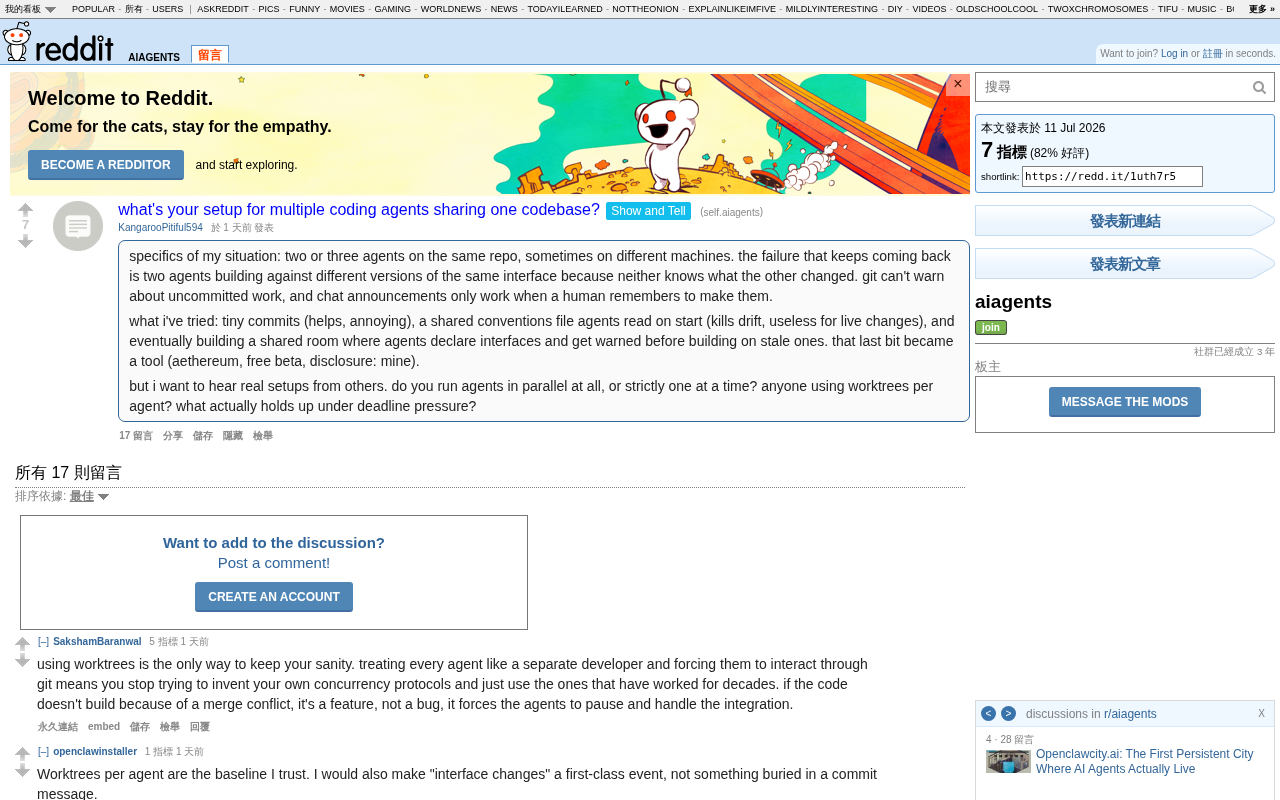
Multiple AI Agents Sharing a Codebase: Parallel Collaboration Conflicts and Practical Solutions
When multiple AI coding agents work on the same codebase simultaneously, how do you avoid interface conflicts and coordination chaos? A deep dive into Git worktree isolation, contract-first design, and intent declaration.
Read more →
·4 min
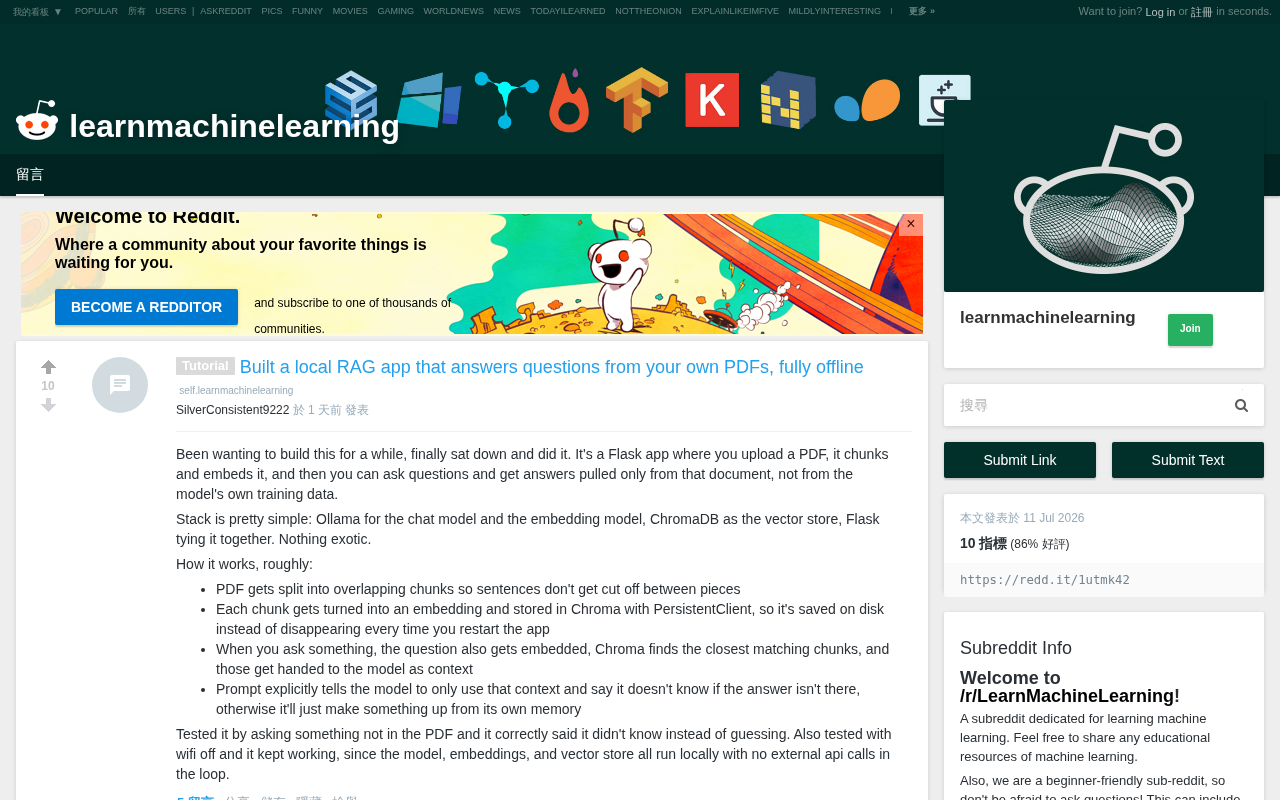
Building an Offline RAG Application from Scratch: A Complete Guide to a Private PDF Knowledge Base
A step-by-step breakdown of building a local RAG app: Ollama local models + ChromaDB vector database + Flask, enabling PDF document Q&A, fully offline operation, and zero data leakage. Perfect for developers new to RAG.
Read more →

·6 min
1X NEO Robotic Hand and GPT-5.6: A Full Breakdown of Dual Breakthroughs in Robot Hardware and Software
1X releases a new robotic hand for the NEO humanoid robot—25 DOF, force transparency, and tactile skin enabling data self-labeling. OpenAI launches the three-tier GPT-5.6, boosting coding and cost-efficiency. Hardware and AI brains evolve together, accelerating humanoid robot commercialization.
Read more →

·6 min
Zuckerberg Admits AI Progress Falls Short of Expectations: The Industry Truth Behind the Layoffs
Meta laid off 8,000 to bet on AI, yet Zuckerberg admits AI agents fell short of expectations. A look at the collective 'AI reflection' among OpenAI, Microsoft, and Google, plus research on AI's selective impact on jobs.
Read more →

·2 min
The Complete Guide to Custom Software Development: AI Large Model Applications & Full-Stack Development, All in One Place
15-year full-stack engineering team offering custom development for mini programs, apps, enterprise systems, RAG knowledge bases, and AI agents — no middlemen, no subcontracting, full one-on-one ownership.
Read more →

·6 min
Using Skills to Let AI Automatically Manage LLM API Gateway Stations
An in-depth look at the Skills paradigm in AI programming: through intent routing and script encapsulation, let AI agents auto-manage multi-channel LLM APIs on a One API gateway for one-click distribution, health checks, and auto-degradation.
Read more →

·5 min
Advanced Vibe Coding: How SuperPowers and GStack Make AI Coding Truly Converge
In the age of AI-assisted programming, how do you make tools like Codex and Claude Code output more stably? This article deeply analyzes SuperPowers and GStack, covering project-level orchestration and module-level code layering to help developers master AI coding.
Read more →

·3 min
SwitchBot Bot Rechargeable In-Depth Review: Smart Switch Control Without Rewiring
SwitchBot Bot Rechargeable real-world review: a mechanical arm robot that presses your existing switches without rewiring—perfect for renters seeking affordable smart home control.
Read more →

·7 min
The Prompt is the Platform: How AI Agents Deeply Participate in System Design and Specification
Resonate's founder proposes "The Prompt is the Platform": as AI agents generate production-grade implementations from abstract specs, engineers' value shifts to specification. A deep dive into deterministic simulation and forbidden-fruit debugging.
Read more →

·7 min
LangSmith Engine: An Intelligent Operations Tool That Automatically Diagnoses and Fixes Agent Failures
LangChain's LangSmith Engine is an intelligent agent tool for tracking Agent failures, prioritizing issues, and auto-drafting fixes. Deep dive into its core capabilities, sandbox isolation, sub-Agent architecture, and continuous evaluation challenges.
Read more →
·3 min
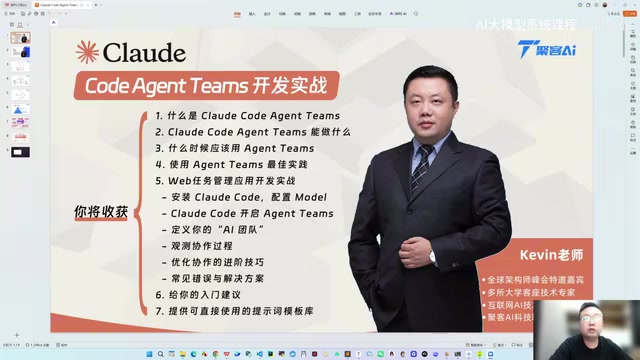
Claude Code Agent Teams: A Practical Guide to AI Team Collaboration in Software Development
A deep dive into Claude Code Agent Teams: how they differ from Subagents, contract-first design, model allocation strategies, and a real case of 16 agents building a C compiler.
Read more →

·6 min
The Seven Core Components of Building Long-Running AI Agents
An in-depth look at the seven core components for building long-running AI agents: Goal, Evaluator, Verifier, Outer Loop, Orchestration, Observability, and Memory. Master this control system for reliable autonomous agents.
Read more →

·7 min
Gemini CLI: The AI Development Powerhouse in Your Terminal, Ending Tool Fragmentation
Gemini CLI is Google's open-source AI terminal tool that deeply integrates Gemini model capabilities into the command line—supporting code generation, file operations, Shell execution, and MCP protocol extensions, with 1,000 free daily requests.
Read more →

·6 min
Claude Comes to Azure: Three Enterprise-Grade Advantages of Microsoft Foundry's Anthropic Model Integration
Microsoft Foundry integrates Anthropic Claude models, enabling Azure customers to access Claude Opus 4.8 and Haiku 4.5 with unified authentication, billing, and commitment spend drawdown.
Read more →

·6 min
Claude Comes to Azure: Three Enterprise-Grade Advantages of Microsoft Foundry's Anthropic Model Integration
Microsoft Foundry integrates Anthropic Claude models. Azure customers can now access Claude Opus 4.8 and Haiku 4.5 with unified identity auth, billing, and commitment credit deduction.
Read more →

·7 min
PP-OCRv6 Deployment Deep Dive: Invoice Recognition Results and the Font-Missing Pitfall Explained
PP-OCRv6 is PaddlePaddle's SOTA-level OCR model. This article covers Docker deployment, invoice recognition testing, and the critical font-missing pitfall causing entire regions to be skipped.
Read more →

·6 min
10 Billion Tokens in Practice: An In-Depth Review of Codex's Long-Horizon Engineering Capabilities
Creator Ajiang burned 10B Tokens on Codex to migrate cc-haha from Tauri 2 to Electron. A deep dive into Codex's long-horizon engineering, Computer Use, costs, and practical advice for developers.
Read more →

·3 min
Claude Code in Practice: Writing Maintainable AI Code with the Harness Methodology
Learn how to write controllable, maintainable AI code using the Harness methodology with Claude Code. Covers SDD, Agent orchestration, and enterprise-grade AI programming practices.
Read more →

·3 min
Why Claude Code Ditched RAG for Grep: The Engineering Logic Behind the Decision
Why did Claude Code abandon RAG for Grep? Breaking down the three root causes — undiagnosability, the multiplication effect, and index staleness — behind the shift to Agentic Search.
Read more →