#e-commerce development
335 related articles

·2 min
WebMCP: The New Standard for AI Agents to Precisely Interact with Web Pages
WebMCP is a proposed web standard that lets pages proactively expose tool interfaces to AI agents via declarative and imperative APIs, eliminating browser automation guesswork. Now in Chrome 149 Origin Trial.
Read more →

·3 min
A Former Tencent Engineer's Complete Journey Building a 'Decision Paralysis' Mini Program with AI
A former Tencent engineer used CodeBuddy AI to solo-build a 'Decision Paralysis' mini program — from a phone specs spreadsheet to a fully launched WeChat app.
Read more →

·2 min
Vibe Coding vs AI Engineering: A Practical Enterprise-Level Comparison Guide
A deep dive comparing Vibe Coding vs AI Engineering, with hands-on analysis of Claude Code and Codex, two real projects, and the role of Skills in enterprise AI development.
Read more →

·2 min
Vibe Coding for Beginners: Build Real Apps with AI — No Coding Skills Required
Vibe Coding lets you build real apps using natural language — no coding skills needed. Learn the 3 core traits, see real success stories, and get started today.
Read more →
·3 min
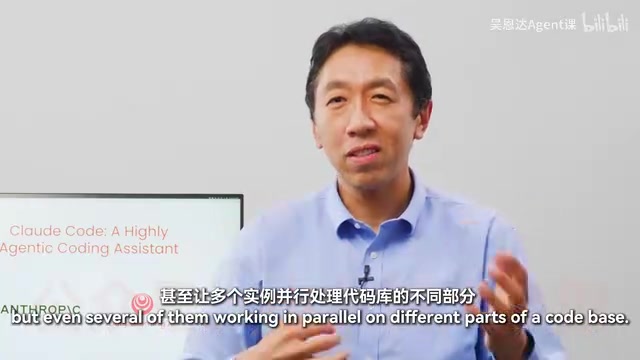
Andrew Ng × Anthropic: A Practical Guide to Claude Code and Its Core Methodology
Andrew Ng and Anthropic's Claude Code course covers RAG development, data analysis, and Figma-to-frontend projects, with deep dives into context management, MCP tools, and CLAUDE.md architecture.
Read more →

·4 min
WebMCP in Practice: A Complete Guide to Making Your Website AI Agent-Ready
A deep dive into the WebMCP proposal: how AI agents read websites, how to expose structured tools via imperative and declarative APIs, and how to audit agentic readiness with Lighthouse.
Read more →

·3 min
Zero-Code Cinematic Websites: A Complete Guide Using GPT Image 2 + Claude Code
No coding needed: use GPT Image 2 for assets, Claude Code for development, and Vercel for free deployment to build a cinematic scroll-driven brand website.
Read more →
·4 min
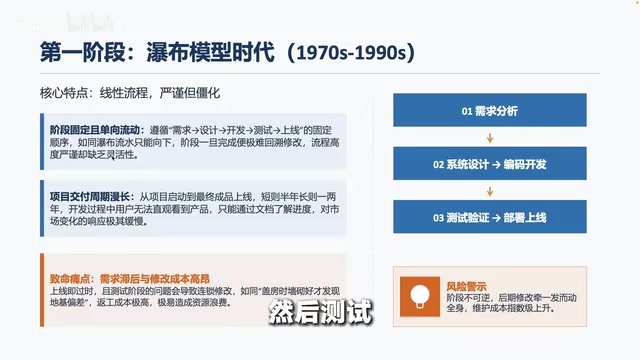
Understanding CI/CD from Scratch: Core Principles and Practical Introduction to Automated Deployment
A clear, practical guide to CI/CD: from Waterfall to DevOps, manual vs. automated deployment, and a full Jenkins + RuoYi hands-on learning path for beginners.
Read more →

·2 min
Kimi K3 Leads the Charge: Inside the AI Coding Agent Framework Transparency Race
Kimi K3 sets a new open-weight record at 2.8T params, GrokBuild pivots to local-first after a privacy crisis, Open Interpreter rewrites in Rust — a deep dive into five major AI coding agent developments and the shift toward harness transparency.
Read more →

·7 min
OpenAI Loses Over $100 Billion a Year: How the AI Cost Paradox Is Devouring Tech Giants
Leaked financials show OpenAI's -122% operating margin — losing money on every sale. MIT research reveals 95% of enterprise AI investments yield zero returns. A deep dive into the AI cost paradox.
Read more →
·3 min
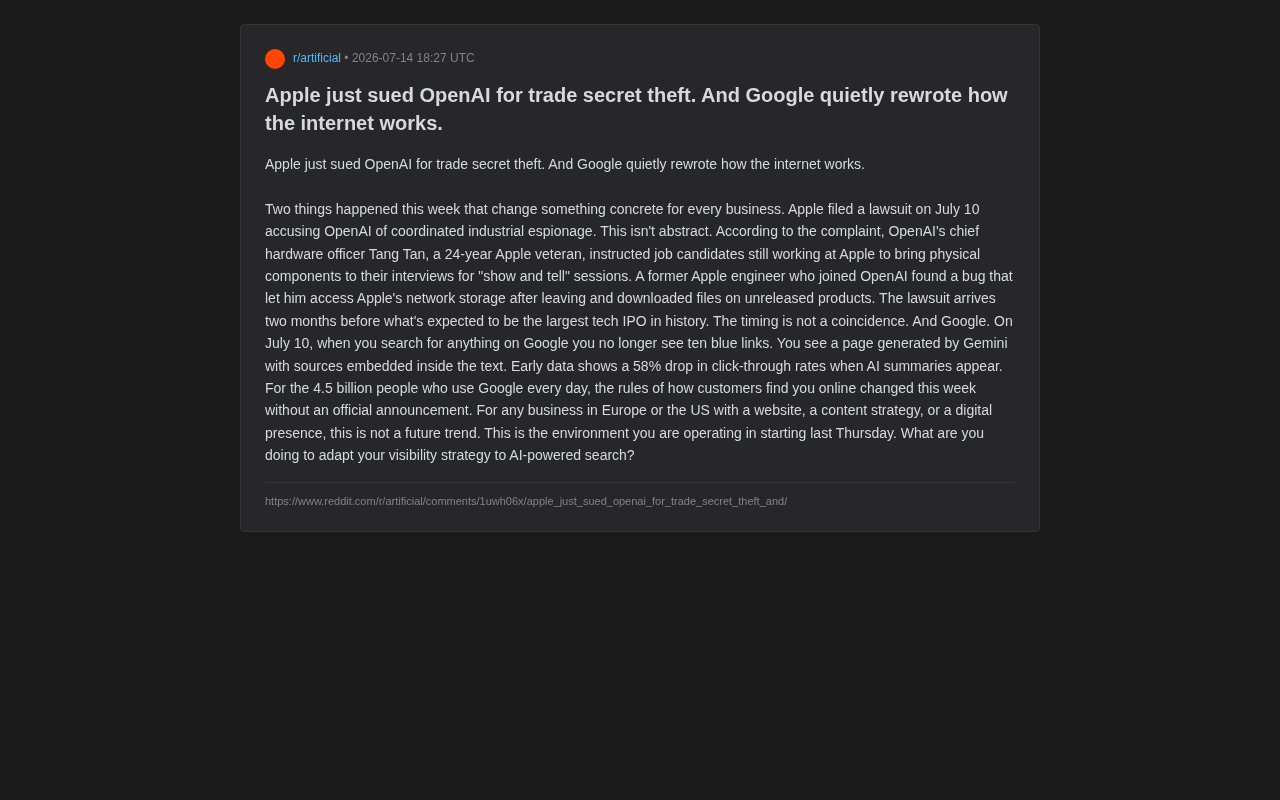
Apple Sues OpenAI for Trade Secret Theft, Google Rewrites Search Rules: A Complete Guide to Enterprise Visibility Strategy
Apple sues OpenAI for trade secret theft; Google quietly shifts to AI-generated search pages, causing a 58% drop in click-through rates. Here's what it means for your business visibility strategy.
Read more →
·2 min
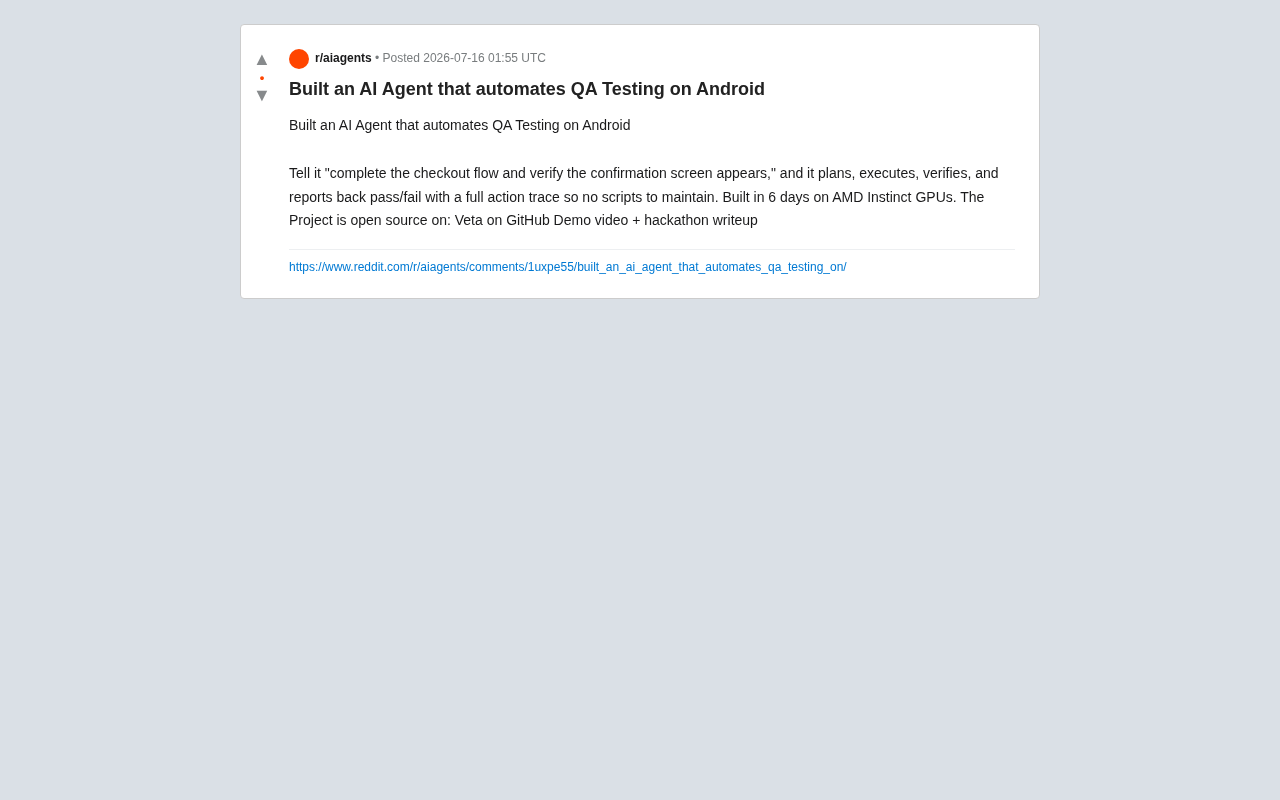
6-Day Open Source AI Agent: Natural Language-Driven Android Automation Testing
Veta is an open source AI testing agent: just describe your test goal in natural language and it autonomously plans, executes, verifies, and reports Android test results — no scripts needed.
Read more →
·4 min
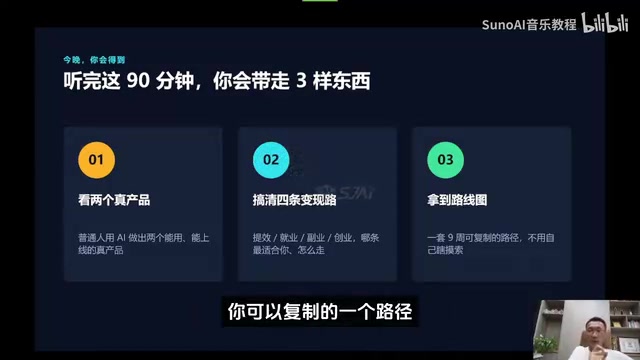
Codex Tutorial: Build Monetizable Products with AI Coding — No Experience Required
Step-by-step Codex tutorial: build a product finder tool and a flashcard mini program from scratch. Learn prompt techniques, requirements breakdown, and 4 monetization paths.
Read more →

·3 min
LangChain V1.3 in Practice: Mastering AI Engineering Mindset — From Tool User to Tool Master
Why do AI results vary so dramatically? LangChain V1.3 reveals the answer: engineering mindset. Covers LangGraph, Deep Agent, RAG, Time Travel, and more.
Read more →
GitHub Copilot SDK Released: Embed AI …
·2 min
GitHub Copilot SDK Released: Embed AI Agent Capabilities Directly Into Your Applications
GitHub open-sources copilot-sdk, enabling developers to embed Copilot Agent capabilities into their own apps. Explore its strategic significance, core features, and enterprise adoption considerations.
Read more →

·2 min
Agent Skills Deep Dive: From Core Concepts to Business Customization
A deep dive into Agent Skills: what they are, how they differ from Function Calling, and a 3-step guide to understanding and customizing Skills for real business use cases.
Read more →

·2 min
Getting Started with Vibe Coding: Build Apps Without Writing Code
Vibe Coding lets anyone build apps using natural language — no coding required. Learn what it is, which tools to use, and see real stories of non-programmers shipping products.
Read more →

·2 min
AI Truly "Gets Its Hands On" Your Phone: Android Remote Control MCP v1.9.0 Deep Dive
Android Remote Control MCP v1.9.0 adds ChatGPT support, OAuth 2.1 auth, and major WebView reliability fixes. Let AI Agents operate any phone app like a human.
Read more →

·3 min
Enterprise AI Agent Learning Roadmap: A Complete Guide from Beginner to Production
A structured AI Agent learning roadmap covering 4 stages: foundations, core frameworks, scenario practice, and advanced product thinking. Master LangChain, tool calling, memory, and more.
Read more →

·2 min
Vibe Coding: The Full-Stack AI Development Methodology for the Solo Founder Era
Vibe Coding is reshaping software development — use natural language to direct AI through code, design, testing, and marketing. A guide for solo founders and indie developers.
Read more →