#enterprise AI
3921 related articles

·3 min
Codex CLI Practical Guide: From Setup to Enterprise-Level AI Development
Master OpenAI Codex CLI from setup to enterprise use: slash commands, AGENTS.md, MCP protocol, multi-agent coordination, plugin development, and RAG project implementation.
Read more →

·2 min
Dify + MCP in Practice: Building Enterprise-Grade Role-Specific AI Copilot Workflows
A hands-on guide to building enterprise AI copilot workflows using Dify and MCP. Covers tool integration, parameter passing, code execution, and MCP version compatibility pitfalls.
Read more →

·2 min
No-Install Enterprise Agent: A New Approach to AI Workflow Automation and Core Capability Breakdown
A no-install AI Agent with hundreds of enterprise skills is emerging, enabling automatic multi-skill orchestration for complex workflows. Here's a deep breakdown of its three core advantages and key evaluation dimensions for enterprise adoption.
Read more →

·2 min
AI Large Model Development Learning Path: A Complete Guide from Zero to Enterprise Projects
A complete learning roadmap for AI large model development — covering Transformer, Prompt Engineering, RAG, LangChain, Agent development, fine-tuning, and deployment.
Read more →

·2 min
Dify Getting Started Guide: Build Enterprise-Grade AI Apps with Zero Code
Dify is a Chinese open-source AI app platform supporting chatbots, Agents, and workflows. This guide covers Dify 1.8.0 Docker deployment, enterprise use cases, and how to build your first AI app.
Read more →

·2 min
Why Are Enterprises Building Their Own AI Agents? Security Risks and the Case for In-House Control
Third-party AI Agents pose data leakage and permission abuse risks — MIIT has already issued warnings. This article analyzes why enterprises are building in-house AI Agent platforms, covering data localization, Skill modular architecture, and open-source ecosystem reuse.
Read more →

·7 min
AI Agent Practical Guide: From Content Generation to Enterprise Applications
A deep dive into AI Agent's two core directions: 2C content generation (text/images/video) and 2B enterprise applications (RAG/AutoGen/LLM integration). With real startup cases and practical methods.
Read more →

·6 min
Dify Self-Hosted Deployment in Practice: Building an Enterprise-Grade AI Application Platform from Scratch
A complete guide to self-hosting Dify, the open-source AI platform: environment setup, Docker Compose deployment, LLM integration, and app building. Runs on just 2 cores and 4GB RAM.
Read more →
·8 min
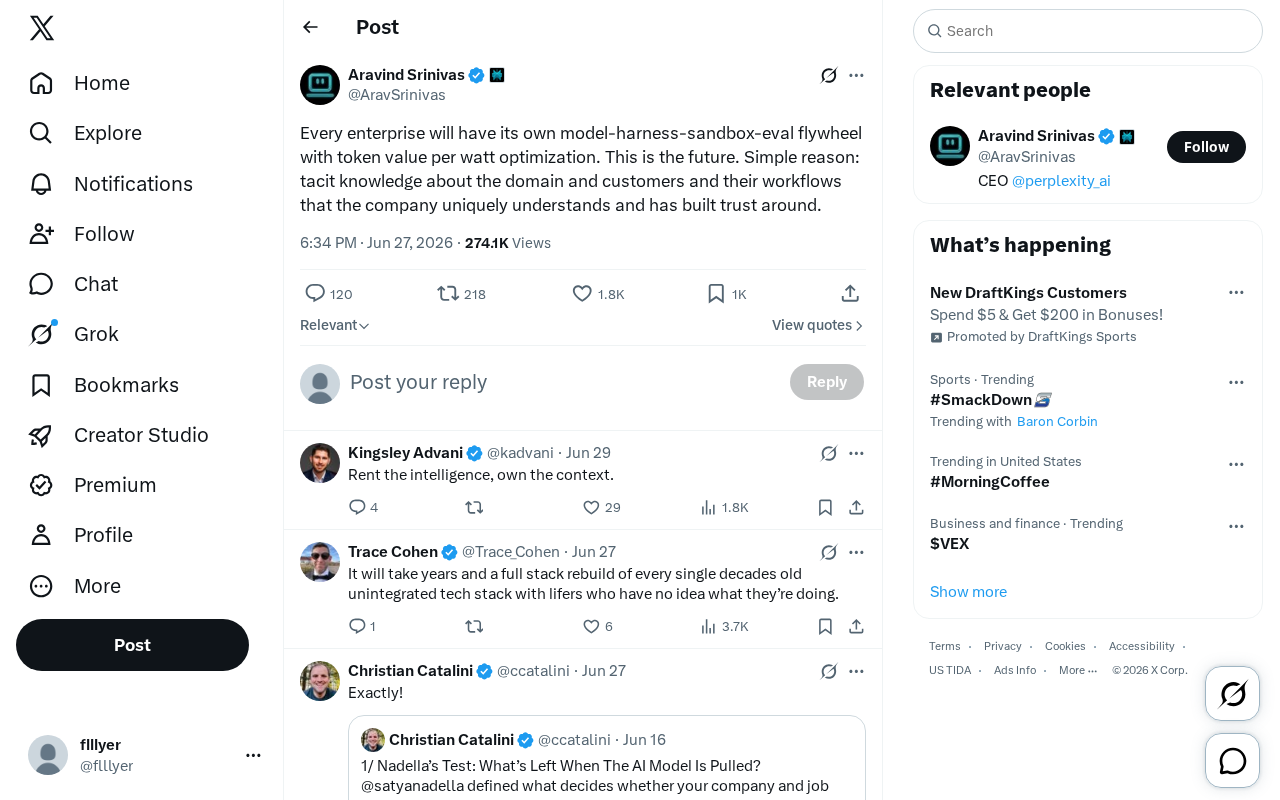
The Enterprise AI Flywheel: Building a Model-Eval Loop as a Competitive Moat
The core of enterprise AI isn't calling general models—it's building a self-reinforcing "model-harness-sandbox-eval" flywheel. This article analyzes the four components, tacit knowledge moats, and the "token value per watt" efficiency metric.
Read more →

·3 min
Cursor & Claude Code Enterprise Training: AI Coding Tool Division of Labor and Practical Methodology
How can R&D teams truly leverage AI coding tools? This article breaks down Cursor vs. Claude Code division of labor, an eight-step framework, and how to build reusable AI collaboration assets.
Read more →
 Tutorials
·1 min
Harness AI Engineering in Practice: Using Claude Code to Master Enterprise-Level E-Commerce Development
Deep dive into Harness AI Engineering: master enterprise e-commerce development with Claude Code using the Rules, Skills, Wiki, and Changes framework.
Read more →

·3 min
Claude Code + Harness AI Engineering in Practice: From Methodology to Enterprise-Level Implementation
Deep dive into Claude Code + Harness AI engineering methodology, covering tech stack selection, enterprise e-commerce implementation, task decomposition, and Prompt templatization.
Read more →

·3 min
AI Large Language Model Learning Roadmap from Scratch: From Beginner to Enterprise-Level Practice
A systematic AI LLM learning roadmap from scratch, covering Python basics, Prompt Engineering, RAG, Agent development, and enterprise-level projects.
Read more →

·4 min
AI Large Language Model Career Transition Roadmap: A Three-Phase Learning Guide from Zero to Enterprise-Ready
A systematic three-phase AI LLM career transition roadmap: from Transformer fundamentals to RAG, Agent & LangChain development, to LoRA fine-tuning. Build enterprise-ready skills in two months.
Read more →

·4 min
Spring AI Alibaba Agent in Practice: Building Enterprise-Grade AI Agents Natively in Java
Deep dive into Spring AI Alibaba Agent framework covering core architecture, tool calling, RAG integration, multi-agent collaboration, and production deployment for Java developers.
Read more →

·3 min
Claude Code vs. Codex: A Practical Guide to Enterprise-Grade AI Programming
A deep dive into enterprise AI programming with Claude Code and Codex — from Vibe Coding limitations to SuperPower engineering workflows, model selection, and AI aggregation platforms.
Read more →

·4 min
Codex Hands-On Tutorial: A Complete Guide from Installation to Enterprise-Level AI Programming
A complete hands-on guide to OpenAI Codex covering installation, CLI interaction, agents.md setup, MCP protocol integration, Rules governance, and building a RAG intelligent customer service system.
Read more →

·4 min
From Vibe Coding to Enterprise-Grade AI Programming: A Complete Progression Path with Practical Analysis
Deep analysis of Vibe Coding's limitations, comparison of Claude Code vs Codex, and a three-layer AI engineering methodology for progressing from casual AI coding to enterprise-grade development.
Read more →

·3 min
AI Engineering in Practice: From Vibe Coding to Enterprise-Grade Development
Explore three AI programming modes — Vibe Coding, Plan Mode, and AI Engineering — with practical comparisons of Claude Code, Codex, and domestic LLMs, plus SDD-driven enterprise development workflows.
Read more →

·2 min
ChatGPT Integrates Codex: Three Major Features Reshaping Enterprise AI Collaboration
OpenAI deeply integrates Codex into ChatGPT with three new features — role-based AI plugins, Sites website builder, and Annotations — marking ChatGPT's transformation into an enterprise OS.
Read more →