#Computer Use setup guide
132 related articles

·2 min
LTX 2.3 IC-LoRA Hands-On: Change a Video's Camera Angle with AI
LTX 2.3 CrossView IC-LoRA is open-sourced, enabling camera angle changes in existing videos. Learn how IC-LoRA works, why the 22B backbone matters, and where to get it.
Read more →
·3 min
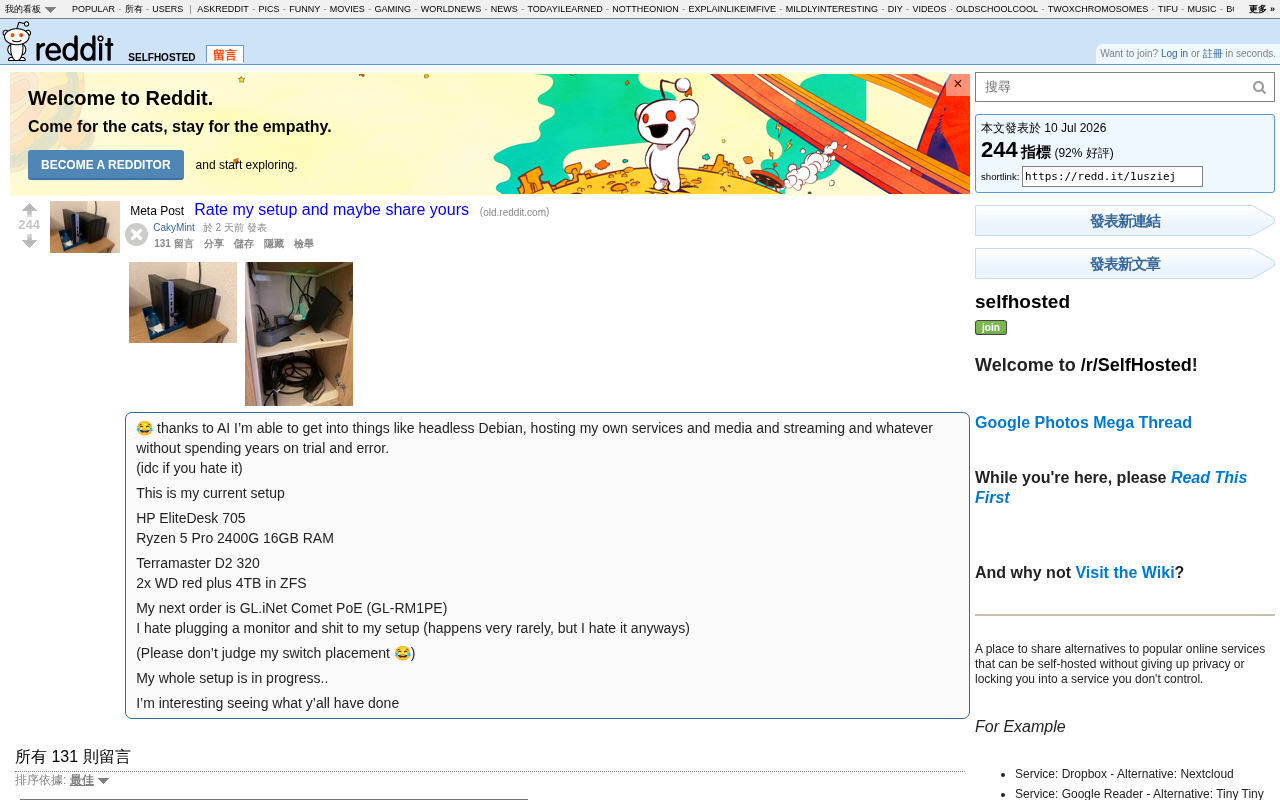
AI-Powered Home Server Setup from Scratch: Hardware Selection to Remote Management
With AI tools, beginners can build a home self-hosting server without years of experience. This guide covers hardware selection (HP EliteDesk, ZFS, IP-KVM), Docker deployment, and how AI compresses the technical learning curve.
Read more →

·4 min
Hands-On with GPT-5.6: A Single Prompt Builds a Real-Time Voice Anime App
Hands-on with GPT-5.6 Sol: auto-generate real-time voice anime characters from one prompt, write physics engines from scratch, and build unfamiliar toolchains autonomously. In-depth review of coding, agentic tasks, benchmarks, and its hallucination weakness.
Read more →

·3 min
Adversarial RL: Why Are Critic Attacks Stronger in Multi-Agent Environments?
The classic Zhang et al. paper says Critic attacks are weaker than Actor attacks, but an experimenter observed the opposite in multi-agent PPO. This article dives into SA-MDP, continuous action spaces, and multi-agent non-stationarity in adversarial RL.
Read more →
·3 min
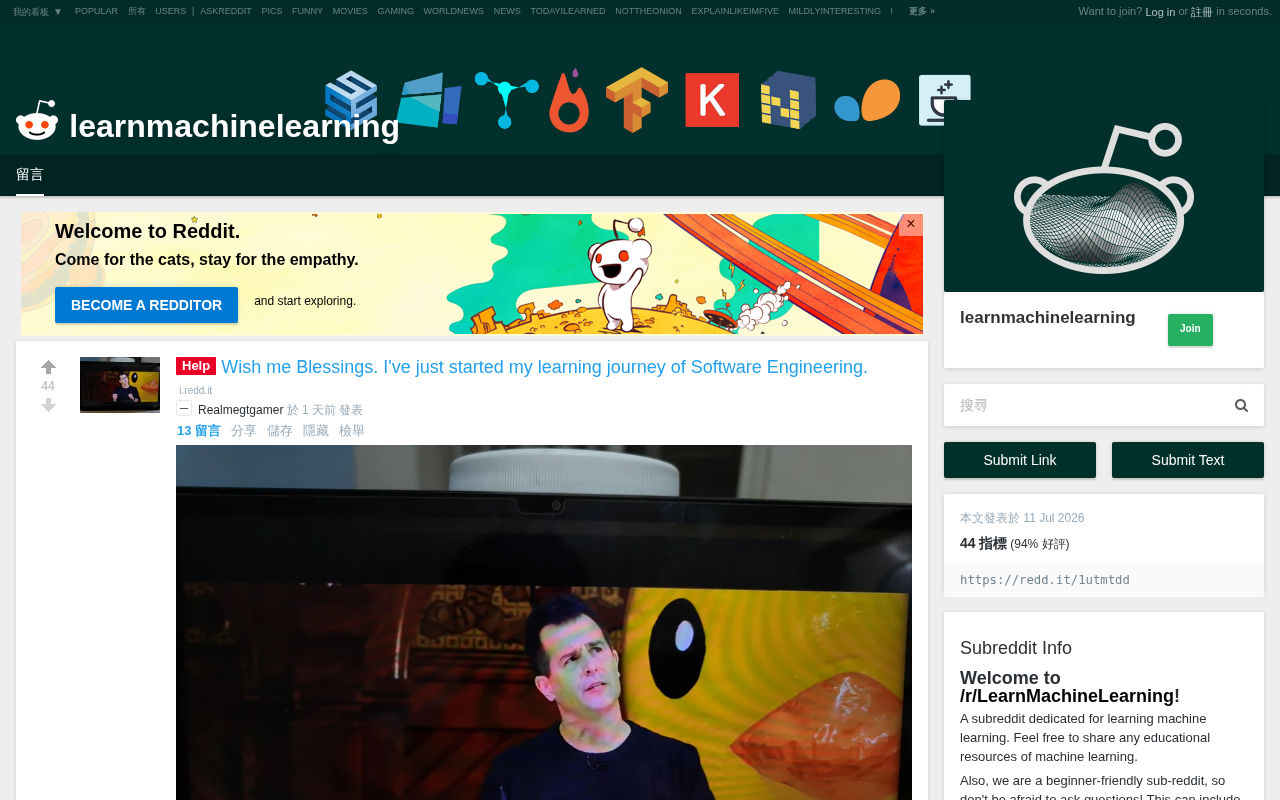
Career Switch to AI Engineer Without a CS Degree: A Self-Study Roadmap from Scratch
A real case study of an agriculture student breaking into AI: how to start with CS50 and systematically master Python, machine learning, and MLOps skills, with a three-phase transition plan for self-learners.
Read more →

·4 min
9 Proven Methods to Make Hermes Agent Actually Work for You
9 battle-tested methods from hundreds of hours with Hermes Agent: model selection (Opus/ChatGPT/GLM), multi-agent failover, cross-device coordination via Tailscale, and reverse prompting workflows.
Read more →

·4 min
Agent Skills Explained: A Five-Level Evolution from Prompt to AI Expert
A deep dive into Agent Skills: from basic prompts to fully encapsulated AI capability units. Five levels of human-AI interaction evolution, with clear distinctions between Skills, MCP, and Workflow.
Read more →

·5 min
The Complete Guide to Claude Skills: Configure Once, Reuse Your Workflow Forever
An in-depth guide to Claude Skills: from built-in skills and plugins to building your own custom skills and continuous refinement. Learn to end repetitive instructions and build an automated, consistent AI workflow.
Read more →

·2 min
AI App Development in Practice: Why Prompts Are the Core of Your Product
A veteran AI app developer's real-world experience reveals: what determines success for knowledge bases and Agents isn't model choice — it's prompt design.
Read more →
·6 min
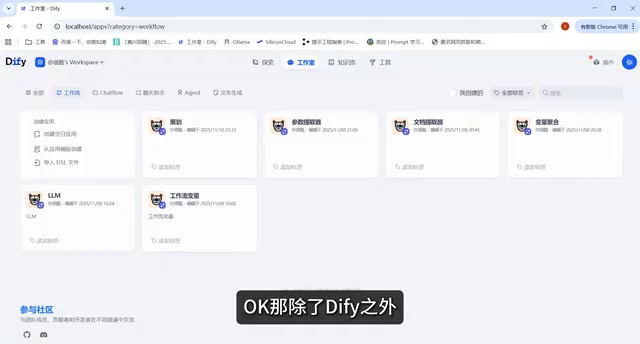
Complete Guide to Deploying Dify Locally: Docker + Ollama + RAG Setup Tutorial
A detailed guide to deploying the Dify agent platform locally: from Docker setup and integrating Ollama + DeepSeek local LLMs to workflow orchestration and RAG knowledge base construction.
Read more →

·5 min
OSWorld 2.0 Benchmark: Top AI Agents Achieve Only 20% Completion Rate — Long-Horizon Tasks Are the Fatal Weakness
OSWorld 2.0 benchmark tests 108 long-horizon computer tasks (median 1.6 hrs for humans). Claude Opus tops out at 20.6% completion, exposing critical AI Agent weaknesses in state maintenance and self-correction.
Read more →
·6 min
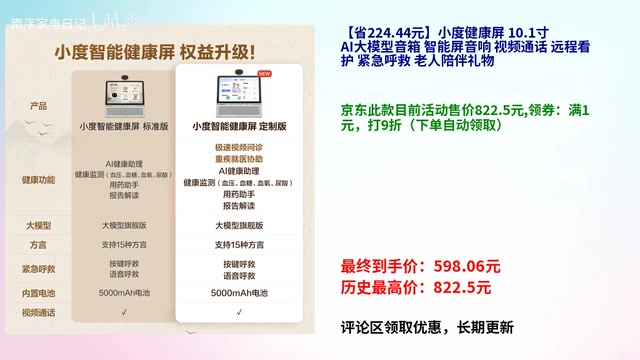
Xiaodu Health Screen Review: How an AI Large Model Enhances Companionship and Remote Care for the Elderly
In-depth review of the Xiaodu Health Screen: a 10.1-inch large display with an AI large model, supporting remote care, emergency calling, and smart companionship, designed for the elderly. Final price as low as ~598 yuan with national subsidies.
Read more →

·6 min
LangChain 1.3 in Practice: A Complete Guide to DeepAgent Architecture and the Harness Philosophy
An in-depth look at LangChain 1.3's core modules and DeepAgent architecture—covering the Harness philosophy, LangGraph internals, HITL, memory management, and guardrails to master production-grade AI Agent development.
Read more →

·3 min
Python for Absolute Beginners: A Complete Breakdown of a 10-Hour Systematic Course
Breaking down a 10-hour Python course for absolute beginners — covering syntax, OOP, functional programming, web scraping, and automation, with mind maps and exercises.
Read more →

·4 min
Ideogram 4 Local Deployment Test: Cinematic Quality on 8GB VRAM
Ideogram 4 open-source image model tested: runs locally on 8GB VRAM + 32GB RAM, Midjourney-level aesthetics, stable text rendering. Learn the 3-part prompt structure and automated ComfyUI workflow with Qwen3 VL.
Read more →

·4 min
How to Use Codex in China Without a ChatGPT Account: A Complete Guide with DeepSeek
No ChatGPT account? No problem. Learn how to configure DeepSeek API with Codex++ to use Codex in China — full setup guide, API key steps, and model switching included.
Read more →

·7 min
The Complete Codex Guide: From Installation to Real-World Practice
Master OpenAI Codex fast, even from scratch! Learn Codex vs ChatGPT differences, four versions, interface tips, plugins & skills, browser automation, plus six best practices.
Read more →

·3 min
OpenClaw Local Deployment Guide: Free Access to Claude Opus 4.5 and Building an Autonomous AI Assistant
Step-by-step OpenClaw local deployment guide: use Claude Opus 4.5 for free via Google Anti-Gravity, set up Telegram remote control, and test autonomous Agent capabilities including web search and plugin auto-install.
Read more →

·2 min
Python + AI Learning Roadmap for Beginners: A Complete Guide from Basics to Practice
New to Python and AI? This guide breaks down Linux, MySQL, and Python into clear learning modules with goals and benchmarks — helping beginners build a solid, executable roadmap from day one.
Read more →

·3 min
Getting Started with Claude Code: A Guide to Terminal AI Coding Tools
A deep dive into Claude Code: the difference between Terminal and Device Agents, enterprise selection advice, and how to use Claude Code with DeepSeek in China.
Read more →