#Harness methodology
144 related articles

·7 min
LLM Evaluation: The Testing Industry's Scarcest Career Pivot and the Timing to Enter
LLM evaluation roles are growing over 100% year-over-year, with top companies offering 50K/month yet unable to fill positions. This article explores how testing pros can seize the window.
Read more →

·7 min
Harness Engineering: The Six-Layer Engineering Framework for Enterprise AI Agent Deployment
From Prompt Engineering to Harness Engineering, a deep dive into the core challenge of truly deploying AI Agents in enterprises. This article breaks down the six-layer architecture and shares real-world Hermes Agent practice.
Read more →

·7 min
Spec-Driven Development: Andrew Ng Teaches You to Master AI Coding Agents Efficiently
Andrew Ng partners with JetBrains on a new course systematically teaching Spec-Driven Development. By writing high-quality specs, developers can precisely control AI coding agents, eliminate context decay, and boost intent fidelity.
Read more →

·7 min
Fable AI Coding in Practice: Optimizing Reasoning Levels and Multi-Model Collaboration to Cut Costs
How developer Theo used Anthropic's Fable model to rebuild his AI coding workflow — controlling reasoning levels, multi-model routing with Codex, and sub-agent orchestration to cut costs from thousands to $150.
Read more →

·6 min
LangChain 1.3 in Practice: A Complete Guide to DeepAgent Architecture and the Harness Philosophy
An in-depth look at LangChain 1.3's core modules and DeepAgent architecture—covering the Harness philosophy, LangGraph internals, HITL, memory management, and guardrails to master production-grade AI Agent development.
Read more →
·7 min
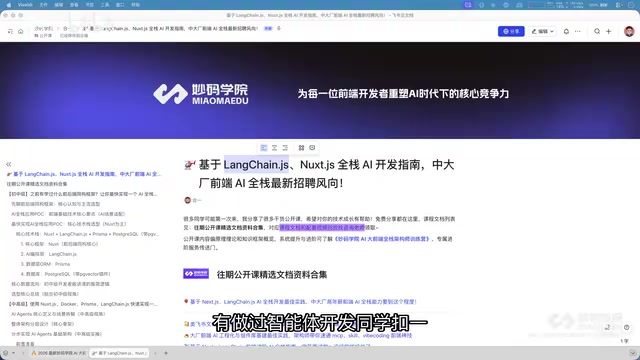
LangChain.js + Nuxt.js: An AI Full-Stack Advancement Path for Frontend Engineers
Frontend hiring now treats AI capabilities as a core assessment, covering RAG knowledge bases, AI Agent development, and LangChain.js engineering. Learn how LangChain.js + Nuxt.js helps frontend developers build memory- and retrieval-capable AI full-stack apps.
Read more →

·5 min
How an MD Is Reshaping Biological Research with AI Codex: A Practical Path to Accelerating the Fight Against Cancer
Immunologist Derya Unutmaz shares how he used OpenAI Codex to build research-grade apps for flow cytometry analysis and CRISPR design, exploring AI-driven digital twins and personalized cancer treatment.
Read more →
·7 min
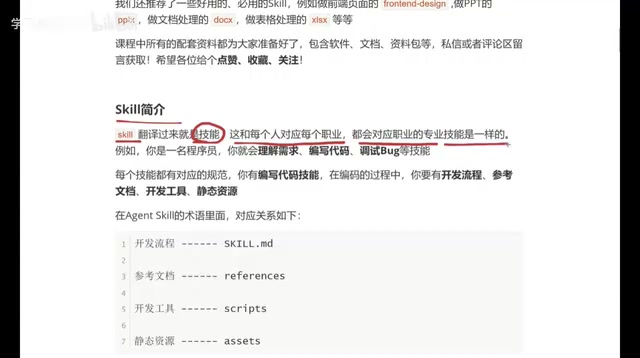
The Complete Guide to Agent Skills: Principles, Structure & Practical Applications
Deep dive into AI Agent Skills: SKILL.md file structure, four component modules, differences from prompts, and practical scenarios for frontend generation, PPT creation, and more.
Read more →
·5 min
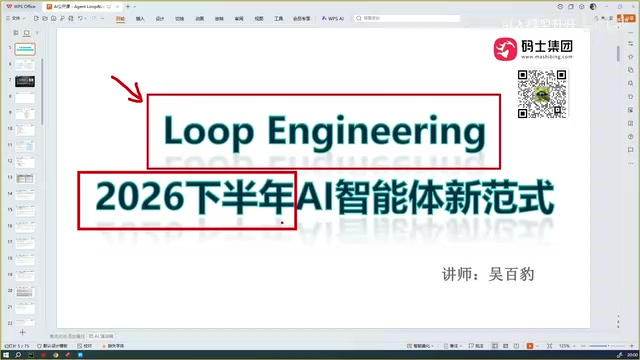
Loop Engineering: A Comprehensive Guide to AI Agent Loop Design
A deep dive into Loop Engineering for AI Agents — what loop feedback mechanisms are, how they differ from Harness Engineering, and a complete guide from principles to production implementation.
Read more →

·3 min
Harness Architecture Explained: The Next-Generation Design Paradigm for Agent Development
A deep dive into Harness Architecture — the next-gen Agent design paradigm. Covers its evolution from prompt engineering and context engineering, multi-agent collaboration, sandbox security, feedback loops, and why it's a must-have for LLM developer interviews.
Read more →

·3 min
Benchmarking Popular Claude Skill Libraries: A 5-Step Core Pattern for AI Agent Development
A deep-dive evaluation of Addy Osmani, Matt Pocock, and Gary Tan's skill libraries, distilling a 5-step Research→Prototype→Plan→Build→Test agent dev loop and why the best skill system is always your own.
Read more →

·2 min
Andrew Ng Partners with Anthropic: A Deep Dive into the Claude Code Practical Course
Andrew Ng and Anthropic launch a Claude Code course covering RAG chatbots, data dashboards, and Figma-to-frontend projects, with Git Worktrees and MCP server orchestration.
Read more →

·3 min
Codex CLI Practical Guide: From Setup to Enterprise-Level AI Development
Master OpenAI Codex CLI from setup to enterprise use: slash commands, AGENTS.md, MCP protocol, multi-agent coordination, plugin development, and RAG project implementation.
Read more →

·3 min
GitHub Daily · July 4th: The Agent Skills Ecosystem Explodes
GitHub Trending July 4: The AI Agent ecosystem explodes across specs, frameworks, and apps — from agentskills to Vibe-Trading, a full Agent tech stack emerges.
Read more →

·2 min
Harness Engineering Architecture Explained: An Essential Skill for AI Agent Developer Roles
Harness Engineering is becoming a must-have skill for AI agent developer roles. Learn the architecture, how top agent products use it, and how to practice with LangChain DeepAgents.
Read more →

·3 min
GitHub Daily · July 3: AI Penetration Testing Tops the Charts, Claude Code Ecosystem in Full Bloom
GitHub Trending July 3: AI pen testing tool strix tops the chart, Claude Code ecosystem explodes with Skills, Agents, and plugins reshaping development.
Read more →
 Tutorials
·1 min
Harness AI Engineering in Practice: Using Claude Code to Master Enterprise-Level E-Commerce Development
Deep dive into Harness AI Engineering: master enterprise e-commerce development with Claude Code using the Rules, Skills, Wiki, and Changes framework.
Read more →

·3 min
Why AI Coding Tools Haven't Delivered Real Productivity Gains: Redesigning the Software Development Lifecycle
Research shows AI coding tools actually decreased developer productivity by 20%. The issue isn't AI's coding ability—it's that the entire delivery process hasn't been redesigned around AI.
Read more →

·4 min
Four Core Strategies for Building Effective Claude Code Agents
Master Claude Code agents with four core strategies: planning, verification, context management, and system evolution. Move beyond Vibe Coding to systematic AI development.
Read more →

·3 min
Complete Guide to Harness Engineering: The Three-Layer Architecture for AI Engineering Development
A deep dive into Harness Engineering's core architecture covering the Information, Constraint, and Automation layers to systematically constrain and verify AI Agent output for reliable development.
Read more →