#Java microservices AI
150 related articles

·3 min
GitHub Daily · July 13: Rust Rewrite of Postgres Ignites the Community, Claude Ecosystem and Local-First Wave Surge Together
GitHub Daily July 13: pgrust rewrites Postgres in Rust and passes 100% regression tests, surging 789 stars in a day. Claude cookbooks and local-first Home Assistant also trend.
Read more →

·3 min
Deep Dive into gRPC: Building High-Performance Microservice Communication with HTTP/2 + Protobuf
An in-depth analysis of gRPC's core architecture: HTTP/2 multiplexing, Protocol Buffers serialization, and unified multi-language implementation, covering microservice communication and cloud-native integration.
Read more →

·5 min
ECC: An Agent Enhancement Framework for AI Coding Assistants — Five Core Capabilities Explained
ECC is an agent optimization framework for AI coding assistants like Claude Code, Cursor, and Codex, enhancing them with skills, memory, security, and research-first development capabilities.
Read more →

·6 min
GPT-5.6 Hands-On Deep Dive: ChatGPT and Codex Merge, Full Analysis of the Sol Model
GPT-5.6 is officially released, merging ChatGPT and Codex into one app and launching the three-tier Sol, Terra, and Luna models. A detailed breakdown of 16 hands-on tests plus Worker mode and Codex dev upgrades.
Read more →

·3 min
3 Skill Configurations That Turn Claude Code into a Testing Powerhouse — Say Goodbye to Repetitive Work
Still using Claude Code as a chatbot? Learn 3 Skill configurations for QA engineers: Bug report generation, code risk review, and test data construction.
Read more →

·4 min
How AI Is Rewriting the Economics of Software Rewrites: Costs Plummet, But Risks Remain
Once called "the single worst strategic mistake," code rewrites are back on the table thanks to AI. Explore how AI slashes comprehension, translation, and validation costs — and what risks remain.
Read more →

·2 min
Spring AI Alibaba: The Core Framework for Integrating LLMs into Java Applications
Spring AI Alibaba is an enterprise-grade Java AI framework that bridges microservices and LLMs — like JDBC for databases — enabling seamless AI integration with minimal migration cost.
Read more →

·4 min
Agent Skills Deep Dive: A Complete Guide to Modular Agent Development Architecture
A deep dive into Anthropic's Agent Skills architecture — clarifying its difference from MCP, and how modular Skill packages enable scalable, maintainable enterprise agent development.
Read more →
·7 min
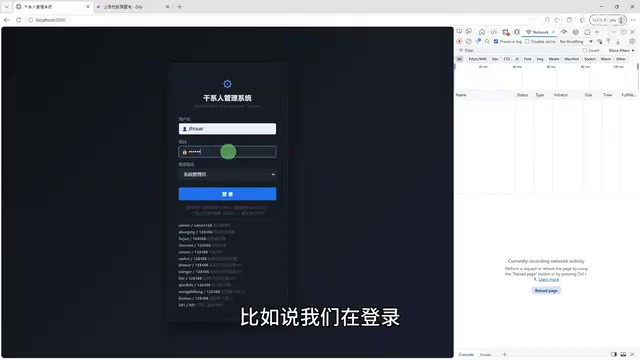
Dify Enterprise System Integration in Practice: Building a Project Management AI Copilot with Workflows
Using a project management system as an example, this article details how to use the Dify low-code platform to achieve AI-powered integration of enterprise internal systems through interface capture and workflow orchestration.
Read more →

·7 min
Getting Started with Dify: A Complete Guide from Local Deployment to Building Enterprise-Grade AI Applications
A detailed guide to Dify, the open-source LLM app development platform, covering its core features and full local deployment via VMware + Ubuntu + aaPanel + Docker. Supports 100+ models like DeepSeek and ChatGPT to build enterprise AI apps fast.
Read more →

·6 min
Getting Started with Dify: A Complete Guide to Deployment, Configuration, and Workflow Practice
A systematic guide to Dify's three deployment methods (Docker/source/online), five application types, and hands-on workflow nodes—covering LLM integration, MySQL config, and app publishing.
Read more →

·7 min
Electron + LangGraph in Practice: Building an AI Agent Visual Orchestration App from Scratch
A hands-on guide to building an enterprise-grade AI Agent workflow orchestration app with Electron Forge and LangGraph, covering local LLM deployment (Qwen3-0.6B), node-based visual canvas design, and full Function Calling integration.
Read more →
·3 min
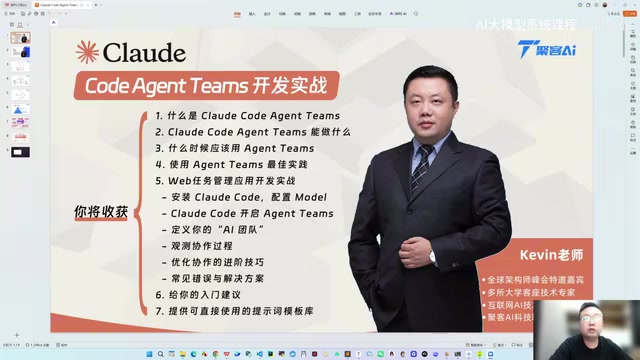
Claude Code Agent Teams: A Practical Guide to AI Team Collaboration in Software Development
A deep dive into Claude Code Agent Teams: how they differ from Subagents, contract-first design, model allocation strategies, and a real case of 16 agents building a C compiler.
Read more →

·6 min
Claude Code Chinese Guide: A Complete Path from Zero to an Efficient Workflow
A systematic Claude Code learning guide built for Chinese developers, covering ten core modules including Slash Commands, Memory, MCP, and Hooks, with a three-tier path to build an AI coding workflow in 11–13 hours.
Read more →

·7 min
Engineering Vibe Coding in Practice: Taming AI Programming with Superpowers and gstack
A deep dive into engineering Vibe Coding: using Superpowers for project-level decomposition and gstack for module layering and constraints to tame AI coding assistants like Codex and Claude Code.
Read more →

·5 min
Deep Dive into Vercel's eve Framework: How AI Agents Are Becoming an Entirely New Form of Software
Vercel's Chief of Software Andrew Qu explains the eve Agent framework's design philosophy, covering Skills modularity, Sandboxes security, and agent-readable websites—revealing the paradigm shift from instruction-driven to goal-driven software.
Read more →

·4 min
Complete Guide to Connecting External Models in Codex: Two Methods to Unlock Full Capabilities
Two methods for connecting external models to Codex: manually configure keys via relay services, or use the CC Tool to auto-bridge GPT, DeepSeek, and more. Covers auth/config files, CC Tool usage, and multi-model switching.
Read more →

·3 min
Claude Code in Practice: Writing Maintainable AI Code with the Harness Methodology
Learn how to write controllable, maintainable AI code using the Harness methodology with Claude Code. Covers SDD, Agent orchestration, and enterprise-grade AI programming practices.
Read more →

·3 min
Building an Automated Penetration Testing System with Claude: A Deep Dive into Memory, Skills, and Agent Architecture
A security researcher demonstrates how to customize Claude into an automated penetration testing system with memory, skills, and a knowledge base — successfully compromising CTF targets and finding real Bug Bounty vulnerabilities.
Read more →

·7 min
AI Agent Development: A Four-Stage Competency Model from 15K to 40K RMB Salary Growth Path
A detailed four-stage competency model for AI Agent development: from Python/RAG basics (15K) to workflow orchestration (20K), inference optimization (30K), and Agent cluster governance (40K RMB).
Read more →