#Artificial Analysis
757 related articles
 Expert Opinions
·1 min
A Full Analysis of Pope Leo XIV's AI Encyclical: How the Vatican Views Artificial Intelligence Ethics
Pope Leo XIV's encyclical Magnifica Humanitas addresses AI ethics, LLM explainability, cultural bias, and data governance, framing the AI revolution as equal in magnitude to the Industrial Revolution.
Read more →

·3 min
Human Behavior: How AI Agents Close the Loop on Product Analytics Issues
Human Behavior is an AI-powered product analytics tool that uses a four-step pipeline — collect, understand, act, loop — to let AI agents automatically identify UX issues and submit fixes.
Read more →

·2 min
Qwen3.8 27B Scores 52 Points: How a Mid-Size Open-Source Model Is Rewriting the Performance Landscape
Alibaba's Qwen3.8 27B scores 52 on Artificial Analysis, rivaling flagship models with just 27B parameters. Explore its performance, local deployment advantages, and impact on the open-source model landscape.
Read more →

·3 min
AI Slop PRs Are Drowning Open Source Projects, and Maintainers Are Burning Out
A flood of AI-generated low-quality PRs is overwhelming open source projects. This article analyzes the AI slop phenomenon, its harm to the ecosystem, and community countermeasures.
Read more →

·4 min
AI Agent Learning Roadmap: A Four-Stage Guide from Zero to Production
A complete AI Agent learning roadmap covering four stages—foundations, core frameworks, hands-on projects, and advanced mastery—to help beginners build production-ready agents in six months.
Read more →

·4 min
Machine Learning Roadmap: A Complete 85-Day Plan from Zero to Mastery
A structured 85-day machine learning roadmap covering regression, classification, unsupervised learning, neural networks, reinforcement learning, NLP, Transformers, and more with detailed time planning.
Read more →

·4 min
A Beginner's Guide to AI Economics Research: A Systematic Roadmap for Economics PhD Students
How should economics PhD students systematically enter the vast field of AI economics? This guide maps four research threads, literature methods, and technical priorities for building expertise.
Read more →

·3 min
Asimov's 'The Feeling of Power': A Sci-Fi Story That Predicted AI-Driven Skill Atrophy
Revisiting Asimov's 1958 story 'The Feeling of Power' and its eerily accurate prediction of AI-driven skill atrophy as humans outsource coding, writing, and thinking to machines.
Read more →

·2 min
Tellie Prompter 1.5 Review: An AI Teleprompter That Follows Your Rhythm
Tellie Prompter 1.5 is a 3MB Mac-native AI teleprompter that uses voice recognition to follow your pace in real time, with key point tracking, duration alerts, and post-recording debrief—fully offline, no account needed, $10 one-time purchase.
Read more →

·4 min
AI Risks Are Real but Manageable: A Pragmatic Guide to Addressing Artificial Intelligence Challenges
AI risks are real but manageable. This guide analyzes short-term risks, long-term risks, and governance pathways for pragmatically addressing AI challenges without blind optimism or excessive panic.
Read more →
·3 min
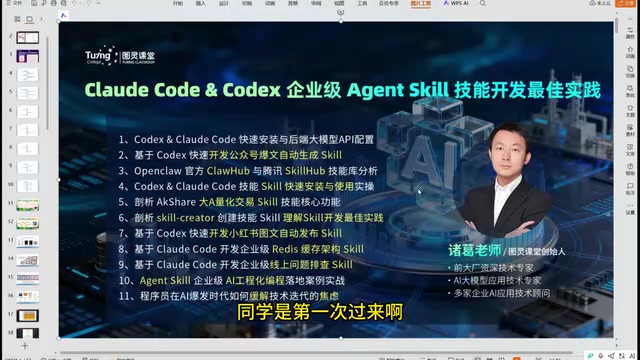
Claude Code Skills in Practice: A Progressive Guide to AI Programming from Writing Code to Writing Skills
A practical guide to Claude Code Skills development covering the three-level progression path, Codex vs Claude Code selection strategy, and enterprise secondary development techniques.
Read more →

·3 min
PostHog Desktop Deep Dive: An AI Agent-Powered Product Collaboration Workbench
PostHog Desktop integrates product data, AI agents, and code building into a unified workbench. This deep dive covers its multi-agent collaboration, GitHub integration, and how AI-native platforms reshape product iteration.
Read more →
·1 min
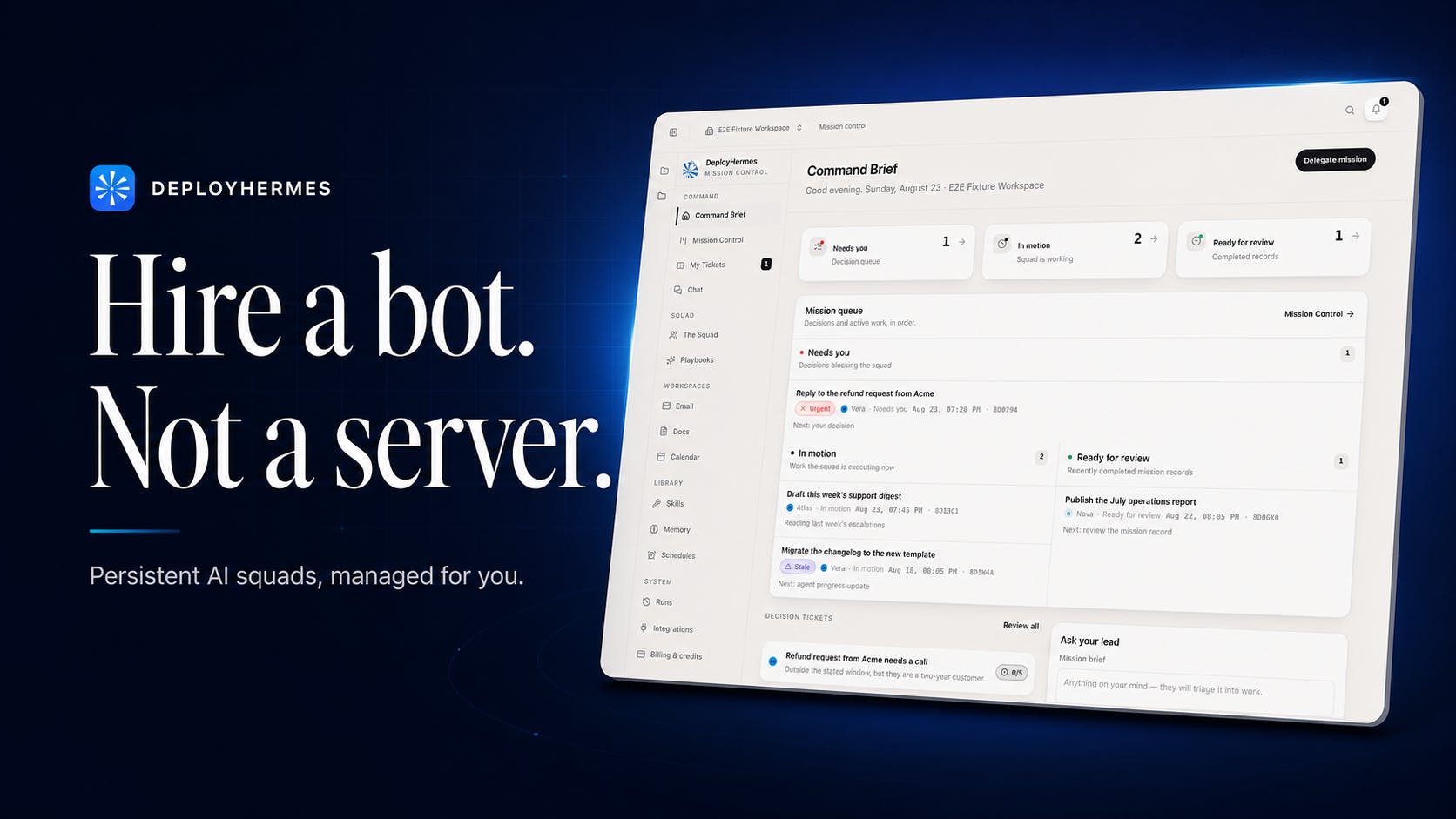
DeployHermes: A Persistent AI Agent Platform That Lets You Manage AI Tools Like Employees
DeployHermes is a persistent AI agent platform with role, memory, skill configuration and private runtime deployment, integrating with Claude Code and Codex for multi-agent orchestration.
Read more →

·2 min
Qencode MCP: Using Natural Language to Drive AI-Powered Video Transcoding and Processing
Qencode MCP integrates cloud video processing into the AI Agent ecosystem via Model Context Protocol, enabling natural language-driven video transcoding, analysis, editing, optimization, and delivery.
Read more →
·3 min
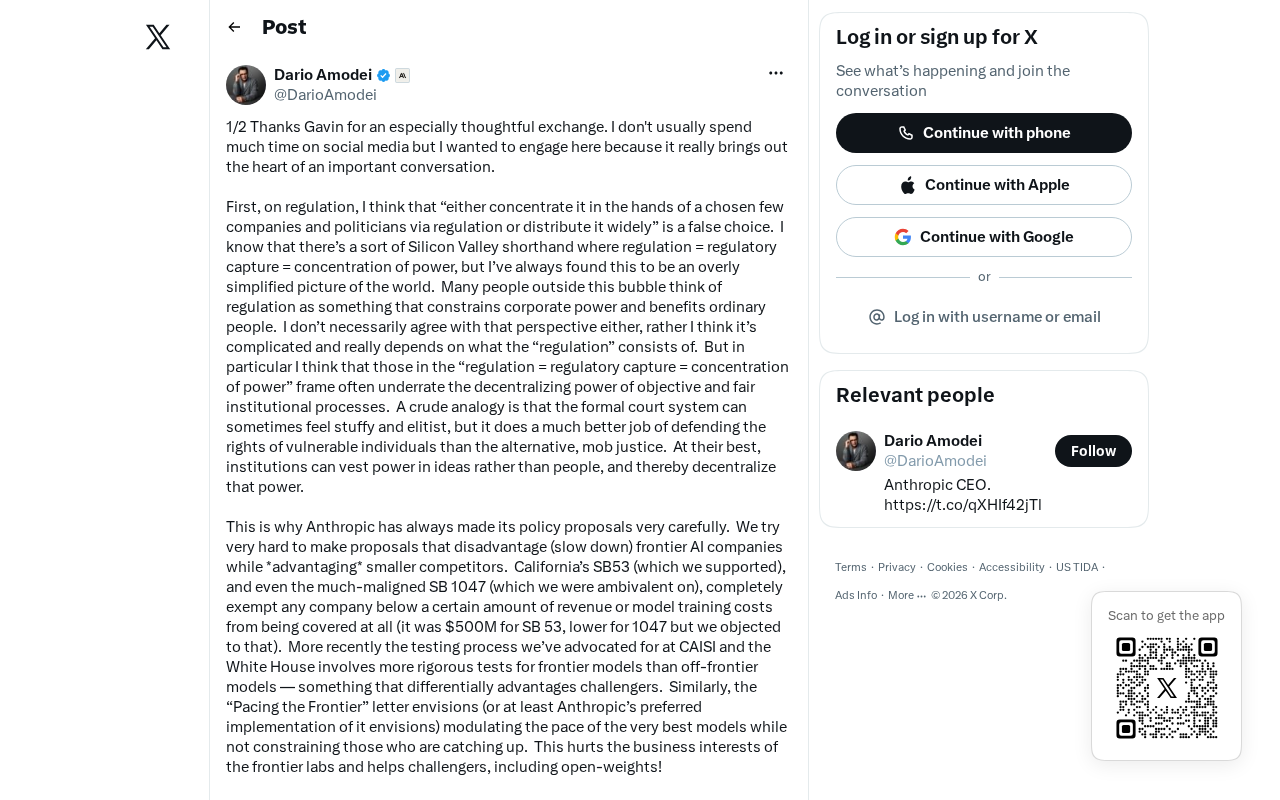
The AI Regulation Battle: Power Dynamics Behind Technical Narratives and Regulatory Capture
In-depth analysis of AI regulation controversies: from technical narrative shaping and regulatory capture risks to open-source dilemmas, exploring rational paths between innovation and safety.
Read more →

·3 min
Claude Watermark: One-Click Removal of Invisible Traces in AI-Generated Text
Claude Watermark is a free, open-source tool that detects and removes invisible traces in AI-generated text — zero-width characters, hidden HTML classes, unusual spaces, and more. Runs locally, no signup needed.
Read more →

·1 min
Memoria: A 100% Offline AI-Powered Smart Photo Album Search Engine
Memoria is a fully offline smart photo album search engine supporting text, voice, face, and object search via on-device AI, with no cloud uploads required.
Read more →
·1 min
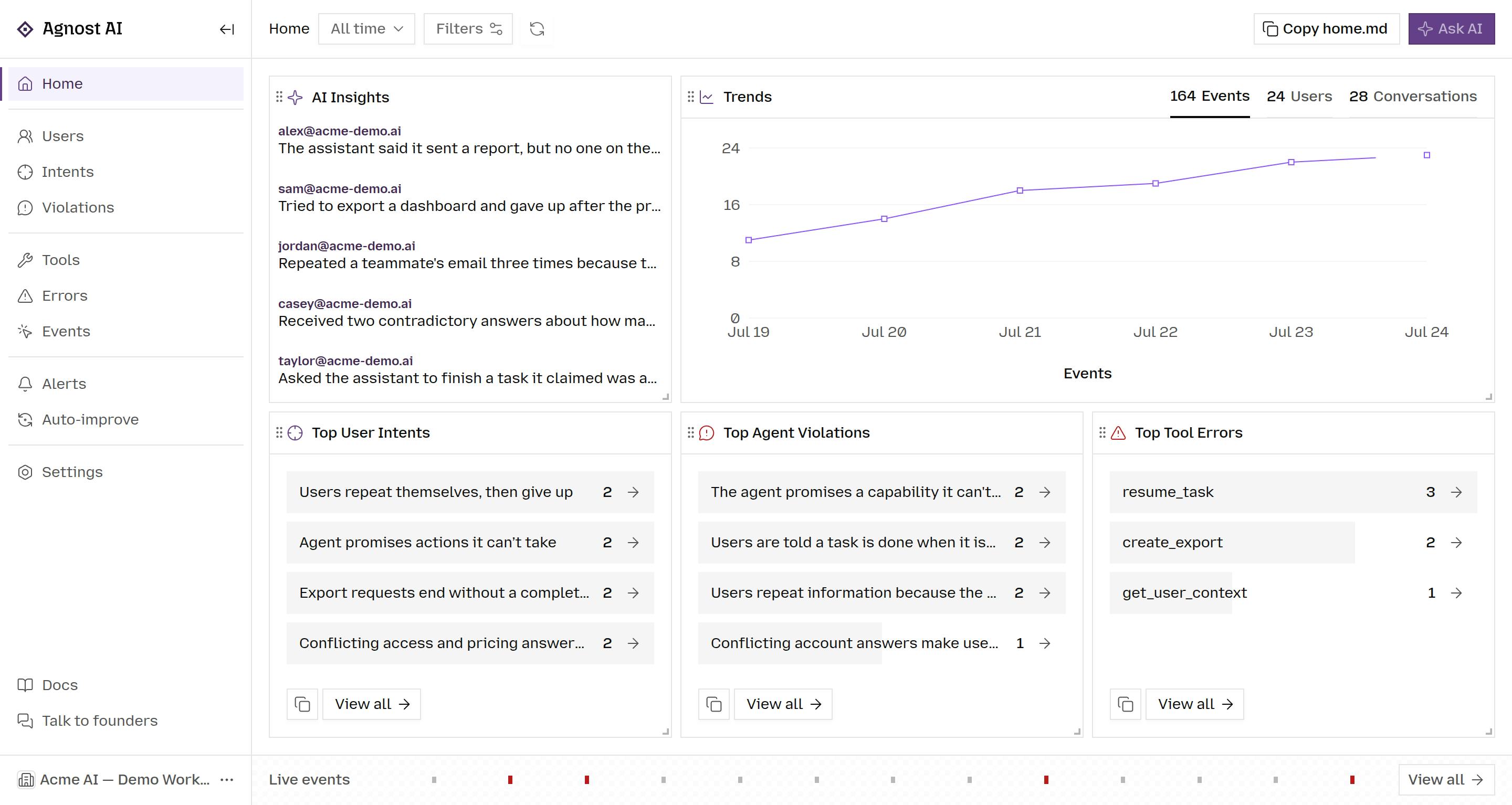
Agnost AI: Catching the Hidden Agent Failures Your Evals Miss
Agnost AI analyzes real production conversations to automatically detect silent failures, behavior drift, hallucinations, and other hidden AI agent issues that traditional evals miss.
Read more →

·2 min
Navigara: Precisely Aligning AI Coding Spend with Your Product Roadmap
Navigara is an AI R&D cost governance tool that attributes AI coding spend to product roadmap items, isolates wasteful consumption, and reduces costs through intelligent model routing.
Read more →

·2 min
Offloop: A Shared Team Workspace for Humans and AI Agents
Offloop is a shared workspace that integrates AI Agents as formal team members, using Channels and Flow mechanisms to solve context loss and human-AI handoff challenges.
Read more →