#Codebase Memory MCP
171 related articles

·3 min
Getting Started with Codex: A Deep Dive Comparison of AI Coding Agents vs. Claude Code
A deep dive into AI coding agents like Codex and Claude Code — real-world comparisons, MCP protocol explained, and how these tools are transforming programming for developers and beginners alike.
Read more →

·7 min
Rowboat: An Open-Source, Local-First Alternative to Claude Desktop
Rowboat is an open-source, local-first AI desktop client positioned as a Claude Desktop alternative. Local data storage and fully transparent code help developers control privacy and workflows.
Read more →

·7 min
Gemini CLI: The AI Development Powerhouse in Your Terminal, Ending Tool Fragmentation
Gemini CLI is Google's open-source AI terminal tool that deeply integrates Gemini model capabilities into the command line—supporting code generation, file operations, Shell execution, and MCP protocol extensions, with 1,000 free daily requests.
Read more →

·4 min
AI Daily Briefing: $60B Cursor Acquisition, GLM-5.2 Open-Sourced, DeepSeek's $7B+ Funding Round
Today's AI headlines: Cursor acquired for $60B in all-stock deal; Zhipu GLM-5.2 open-sourced under MIT; DeepSeek raises $7B+ at $50B valuation; Anthropic reports 27% Agent coding value growth in 7 months.
Read more →

·6 min
Claude Code Chinese Guide: A Complete Path from Zero to an Efficient Workflow
A systematic Claude Code learning guide built for Chinese developers, covering ten core modules including Slash Commands, Memory, MCP, and Hooks, with a three-tier path to build an AI coding workflow in 11–13 hours.
Read more →

·7 min
The C Readability Crisis: Engineering Reflections Behind Clever Tricks
Why do C programmers keep creating readability disasters? An in-depth look at macro abuse, fancy pointer tricks, and over-nesting—and how coding standards, static analysis, and code review protect maintainability.
Read more →

·3 min
AI Agent Architecture Decoded: An Engineering Guide from Conversations to Automation
A deep dive into the four-layer engineering design of AI Agents: planning, memory, tool use, API cost optimization, MCP protocol integration, and Skill encapsulation.
Read more →

·7 min
Harness Engineering: Core Methodology and Practical Guide for Enterprise-Level AI Programming
Can AI really replace programmers? This article explains Harness Engineering principles and its three evolutionary stages, revealing real pain points of enterprise AI programming.
Read more →

·6 min
Gas Town: A Multi-Agent Workspace Manager Built in Go
Gas Town is an open-source multi-agent workspace manager built in Go with 16,000+ GitHub Stars. This article analyzes its architecture, Go language advantages, and typical multi-agent collaboration scenarios.
Read more →

·6 min
Codex Beginner's Guide: Four Product Forms Explained, Plus Comparison with Claude Code and Cursor
In-depth analysis of OpenAI Codex's four usage forms, comparing Codex, Claude Code, and Cursor across price, stability, and frontend/backend fit to help developers choose the right AI programming tool.
Read more →

·4 min
12 Open-Source AI Agent Projects Worth Exploring: Frameworks, Skill Packs, and Toolchains
A roundup of 12 trending open-source AI agent projects on GitHub, covering video generation, agent frameworks, skill packs, code engines, security scanning, and voice processing.
Read more →

·2 min
Andrew Ng Partners with Anthropic: A Deep Dive into the Claude Code Practical Course
Andrew Ng and Anthropic launch a Claude Code course covering RAG chatbots, data dashboards, and Figma-to-frontend projects, with Git Worktrees and MCP server orchestration.
Read more →

·3 min
GitHub Daily · July 4th: The Agent Skills Ecosystem Explodes
GitHub Trending July 4: The AI Agent ecosystem explodes across specs, frameworks, and apps — from agentskills to Vibe-Trading, a full Agent tech stack emerges.
Read more →

·7 min
A New Core Skill for Programmers: How to Effectively Lead Your AI Agent Dev Squad
Coding alone isn't enough anymore. Learn the 5 key steps to commanding AI Agents—define outcomes, split tasks, provide context, iterate small, and keep humans in the loop.
Read more →

·7 min
Complete Guide to OpenCode: Installation, Configuration, and Custom Commands in Practice
A systematic guide to OpenCode, the open-source terminal AI coding tool: installation methods (including WSL), model configuration, rules files, Agent types, custom commands, and MCP tool extensions.
Read more →

·4 min
Four Core Strategies for Building Effective Claude Code Agents
Master Claude Code agents with four core strategies: planning, verification, context management, and system evolution. Move beyond Vibe Coding to systematic AI development.
Read more →

·3 min
Deep Dive into Claude Code: A Five-Dimension Comparison with Traditional AI Chat Tools
Deep analysis of Claude Code vs traditional AI chat tools across 5 dimensions: interaction, context, execution, memory, and tool integration, plus a Cursor comparison.
Read more →

·3 min
Claude Code Debugging Guide: From Context Management to the Observability Flywheel
A systematic guide to Claude Code debugging and observability, covering Token monitoring, context management, Compact compression, security, and Skills ecosystem.
Read more →
·3 min
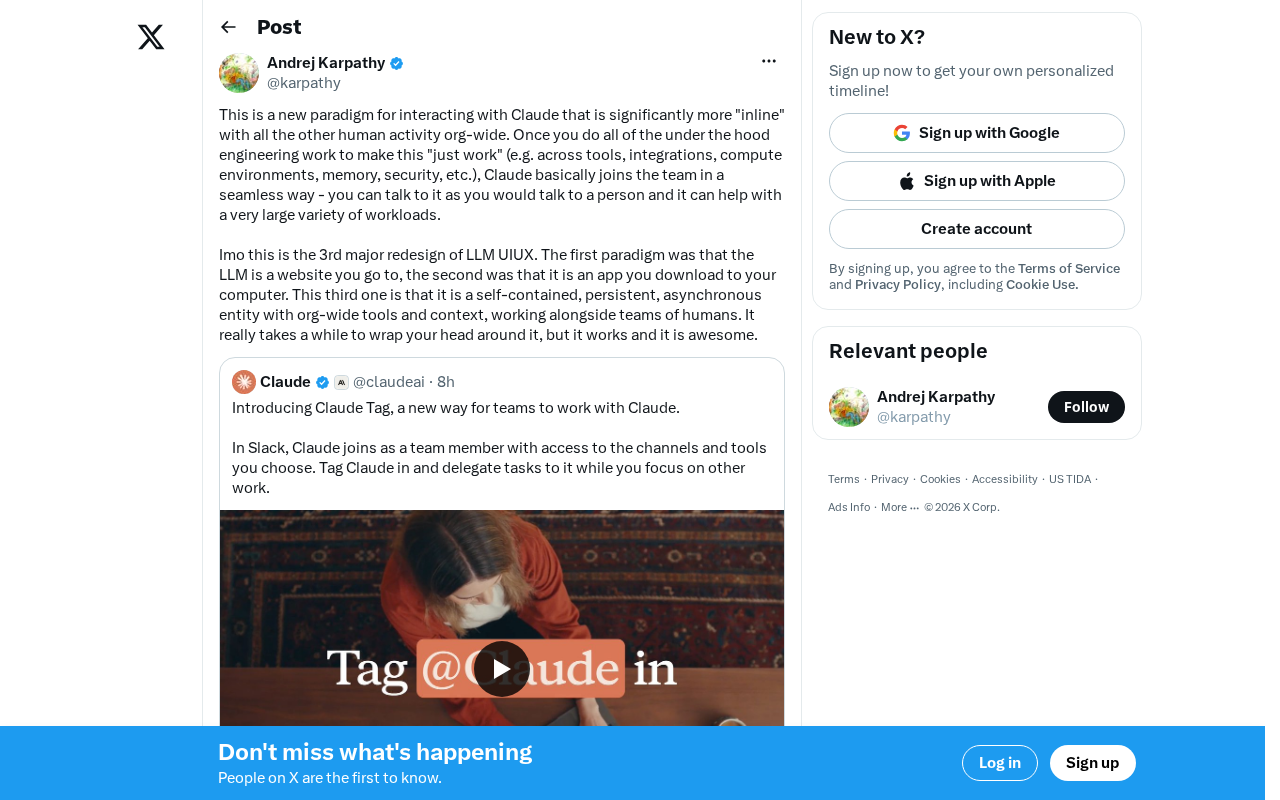
Three Paradigm Shifts in LLM Interaction: From Website to Desktop App to Team Member
Explore the three paradigm shifts in LLM interaction: from ChatGPT as a website, to desktop apps, to autonomous AI team members that collaborate asynchronously with humans.
Read more →

·4 min
Kimi K2.7 Code Deep Dive: The Cost-Performance Battle of a Trillion-Parameter Coding Model
Deep dive into Moonshot AI's Kimi K2.7 Code: MoE architecture details, benchmark analysis, API pricing vs Claude/GPT, 6x speed version, and practical guidance for developers evaluating adoption.
Read more →