#Codex rate limiting
142 related articles

·5 min
ECC: An Agent Enhancement Framework for AI Coding Assistants — Five Core Capabilities Explained
ECC is an agent optimization framework for AI coding assistants like Claude Code, Cursor, and Codex, enhancing them with skills, memory, security, and research-first development capabilities.
Read more →

·2 min
OpenAI's Four-Front Offensive: A Deep Dive into GPT-5.6, Codex, Voice AI, and Work Agent
OpenAI launches GPT-5.6, ChatGPT Work, upgraded Codex super-app, and GPT Live voice AI — a deep dive into all four products and their impact on the AI landscape.
Read more →

·3 min
GPT-5.6 Released: Sol, Terra, and Luna Reshape AI Programming and Office Automation
OpenAI launches GPT-5.6 with three models — Sol, Terra, and Luna — plus ChatGPT Work, a new desktop app, and Hosted Sites. Codex now autonomously trains models.
Read more →

·8 min
OpenAI Merges Codex with ChatGPT: A Deep Dive into the Unified Desktop App Overhaul
OpenAI officially merges its coding agent Codex with ChatGPT into a unified desktop app, adding new coding workflows, a Chrome extension, a built-in browser, and GPT-5.6-powered Computer Use capabilities.
Read more →

·4 min
AI Coding Tool Security Governance: How Policy Enforcement Guardrails Ensure Enterprise Compliance
As Claude Code, Cursor, and Codex enter enterprises at scale, policy enforcement guardrails are becoming critical. A deep dive into AI coding tool security governance, cross-platform compliance, and enforcement mechanisms.
Read more →

·7 min
ManagedAgents.sh: A Deep Dive into the Model-Agnostic Open-Source Managed Agent Platform
ManagedAgents.sh is a model-agnostic managed agent platform from OpenComputer, supporting Claude, Pi, and Codex runtimes with Slack and GitHub integration.
Read more →

·7 min
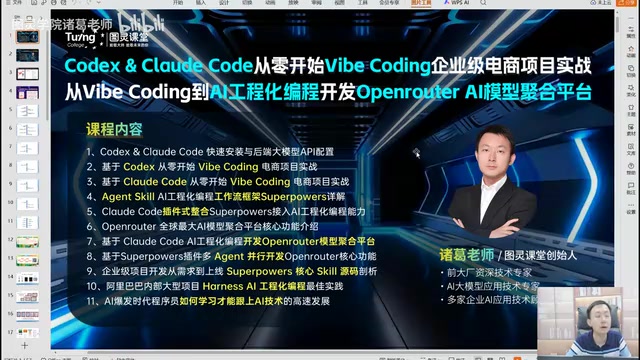
From Vibe Coding to Engineered AI Programming: A Practical Guide to Enterprise Development
AI coding tools are changing development, but Vibe Coding hides risks in code quality and maintenance. This article explores Engineered AI Programming, compares Codex and Claude Code, and reveals real enterprise development paths.
Read more →
·6 min
Understanding the Limits of Vibe Coding: A Practical Guide to AI Engineering-Grade Programming
An in-depth look at the difference between Vibe Coding and AI engineering-grade programming. Can AI replace programmers? From Claude Code and Codex to Cursor, revealing the real limits, enterprise pain points, and engineering solutions of AI coding tools.
Read more →

·3 min
GPT-5.6 Sol Ultra Rumors Decoded: How Codex's Programming Capabilities Could Evolve
Rumors of GPT-5.6 Sol Ultra integrating into Codex are circulating in tech communities, but OpenAI hasn't confirmed anything. We analyze the real trends: context understanding, reasoning, and agentic workflows.
Read more →

·5 min
GPT-5.6 Sol Limited Preview: A Deep Dive into the Sol/Tera/Luna Tiers and Access Mechanism
OpenAI officially releases the GPT-5.6 Sol limited preview, with three tiers — Sol, Tera, Luna — each differing in price and capability. A deep dive into tier selection, five-layer safety gates, and API pricing.
Read more →

·7 min
The Complete Codex Guide: From Installation to Real-World Practice
Master OpenAI Codex fast, even from scratch! Learn Codex vs ChatGPT differences, four versions, interface tips, plugins & skills, browser automation, plus six best practices.
Read more →

·7 min
Harness Engineering: Core Methodology and Practical Guide for Enterprise-Level AI Programming
Can AI really replace programmers? This article explains Harness Engineering principles and its three evolutionary stages, revealing real pain points of enterprise AI programming.
Read more →

·4 min
Complete Guide to Connecting External Models in Codex: Two Methods to Unlock Full Capabilities
Two methods for connecting external models to Codex: manually configure keys via relay services, or use the CC Tool to auto-bridge GPT, DeepSeek, and more. Covers auth/config files, CC Tool usage, and multi-model switching.
Read more →

·6 min
Codex Beginner's Guide: Four Product Forms Explained, Plus Comparison with Claude Code and Cursor
In-depth analysis of OpenAI Codex's four usage forms, comparing Codex, Claude Code, and Cursor across price, stability, and frontend/backend fit to help developers choose the right AI programming tool.
Read more →

·4 min
Frontend to Full-Stack AI: A Complete NestJS + LangChain Roadmap
Pure frontend roles are shrinking fast. Learn how mastering NestJS and LangChain AI agent development can unlock a 20–30% salary boost on your full-stack AI transition path.
Read more →

·2 min
Codex Getting Started Guide: Four Product Forms Explained & AI Coding Tool Comparison
A complete guide to Codex's four forms (CLI, Web, Plugin, App), with a deep comparison of Codex vs Claude Code on pricing, stability, and frontend/backend fit, plus Cursor selection tips.
Read more →

·2 min
Getting Started with Codex: Installation, Parallel Tasks, and Tool Selection Guide
A complete guide to Codex's four forms, Codex vs Claude Code comparison on pricing and capabilities, Git/Node.js/VS Code setup, and parallel multi-task execution.
Read more →

·2 min
Getting Started with Codex: Why Frontend Developers Prefer It Over Cursor or Claude Code
A deep comparison of Codex, Cursor, and Claude Code — pricing, stability, and frontend vs. backend fit. Why frontend developers prefer the Codex app, based on one developer's real migration experience.
Read more →

·2 min
Getting Started with Codex: A Guide to Its Four Forms and a Comparison of the Top 3 AI Coding Tools
A complete guide to OpenAI Codex's four forms (CLI, web, plugin, APP) and an in-depth comparison of Codex, Claude Code, and Cursor on pricing, stability, and use cases.
Read more →

·3 min
Codex APP Deep Dive: Comparison with Claude Code and How to Choose
In-depth comparison of Codex APP vs. Claude Code and Cursor: pricing, stability, and capability differences. Discover Codex's unique strengths in frontend UI development and how to choose the right AI coding tool.
Read more →