#programming monitor
857 related articles

·3 min
A Guide to Choosing a Programming Monitor in the AI Agent Era: In-Depth Review of the BenQ RD280U
AI Agents let everyone code, but reviewing AI-generated output means more screen time. This in-depth review of the BenQ RD280U covers its 3:2 ratio, code color optimization, and eye-care features.
Read more →

·2 min
Google Rebuilds the Play Store with Jetpack Compose: A Trial-by-Fire Technical Gamble
Google chose the Play Store — the world's most-installed app — as the first large-scale Jetpack Compose deployment, a high-stakes trial by fire across billions of devices.
Read more →

·2 min
What to Do About Grok 4.6 Frequent High Load? A Guide for Cursor Users
Cursor Pro users frequently encounter Grok 4.6 High Load issues. This article analyzes three possible causes and provides practical strategies including model switching and off-peak usage.
Read more →

·4 min
AI Risks Are Real but Manageable: A Pragmatic Guide to Addressing Artificial Intelligence Challenges
AI risks are real but manageable. This guide analyzes short-term risks, long-term risks, and governance pathways for pragmatically addressing AI challenges without blind optimism or excessive panic.
Read more →

·3 min
PostHog Desktop Deep Dive: An AI Agent-Powered Product Collaboration Workbench
PostHog Desktop integrates product data, AI agents, and code building into a unified workbench. This deep dive covers its multi-agent collaboration, GitHub integration, and how AI-native platforms reshape product iteration.
Read more →
·4 min
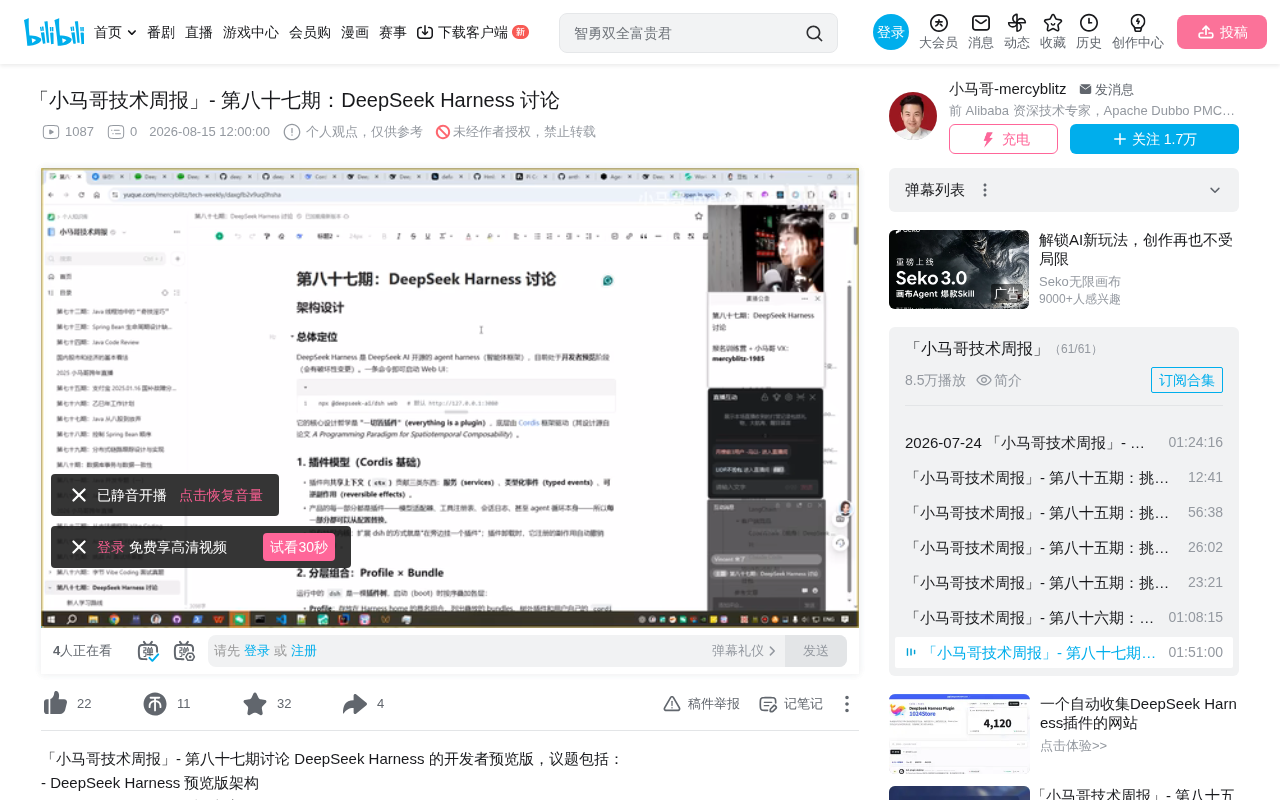
Deep Dive into DeepSeek Harness: Old Patterns, New Ecosystem
A deep analysis of DeepSeek Harness Agent framework from a software engineering perspective, comparing it with Claude Code and Pi, revealing its server-side Agent positioning and TypeScript ecosystem advantages.
Read more →
·2 min
Warren: Isolated Runtime Infrastructure Built for AI Coding Agents
Warren is an open-source infrastructure project providing isolated workspaces, resource limits, real-time observability, and Git delivery for AI coding agents running securely in your own environment.
Read more →

·2 min
EasySwitch Review: A Cross-Device Collaboration Tool That Manages All Your Computers with One Keyboard, Mouse, and Secondary Screen
EasySwitch is a Rust-based cross-platform multi-device tool combining keyboard/mouse sharing and secondary display extension, supporting Mac, Windows, Linux & Wayland, using only 19MB RAM with free encryption.
Read more →
·2 min
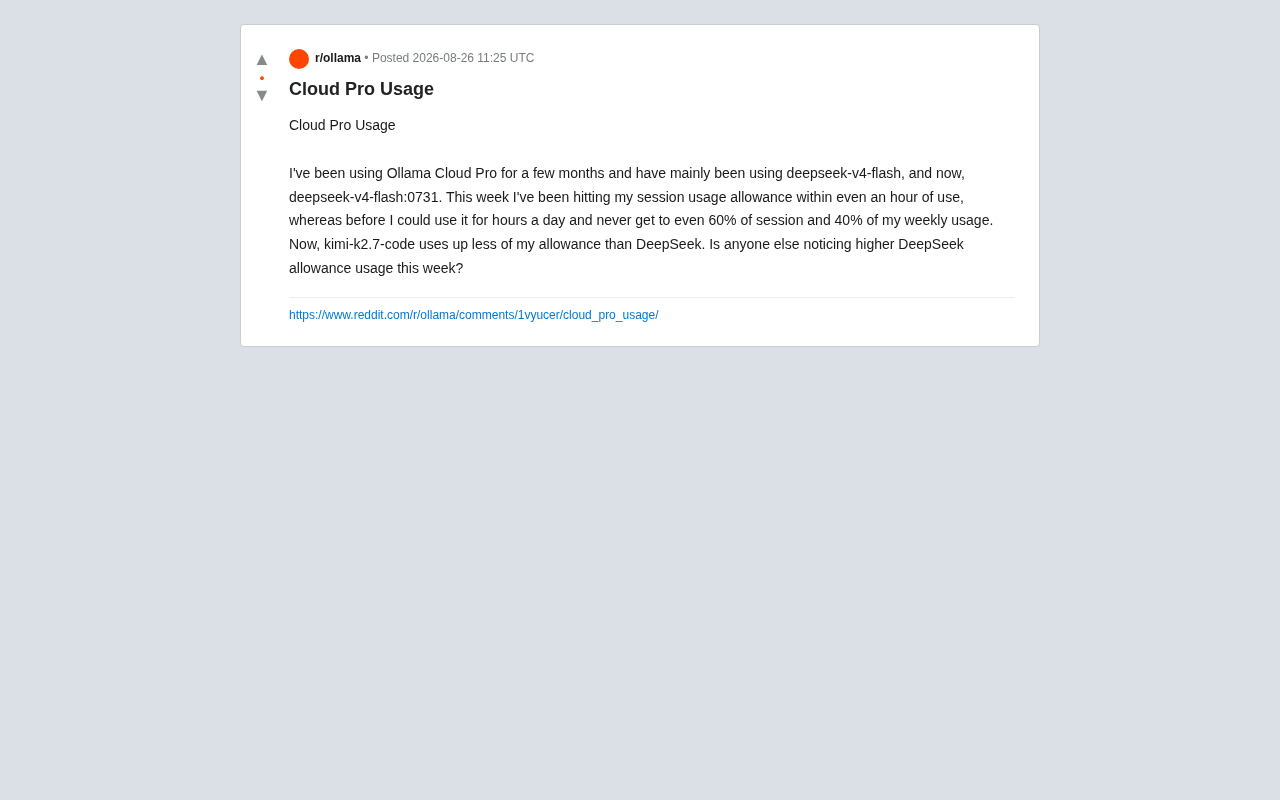
Ollama Cloud Pro Unusual Usage Depletion: In-Depth Analysis of DeepSeek's Sudden Usage Spike
Ollama Cloud Pro users report DeepSeek model usage spiking suddenly, hitting limits within an hour. We analyze token billing, model versioning, and billing weight changes, plus offer optimization tips.
Read more →
·3 min
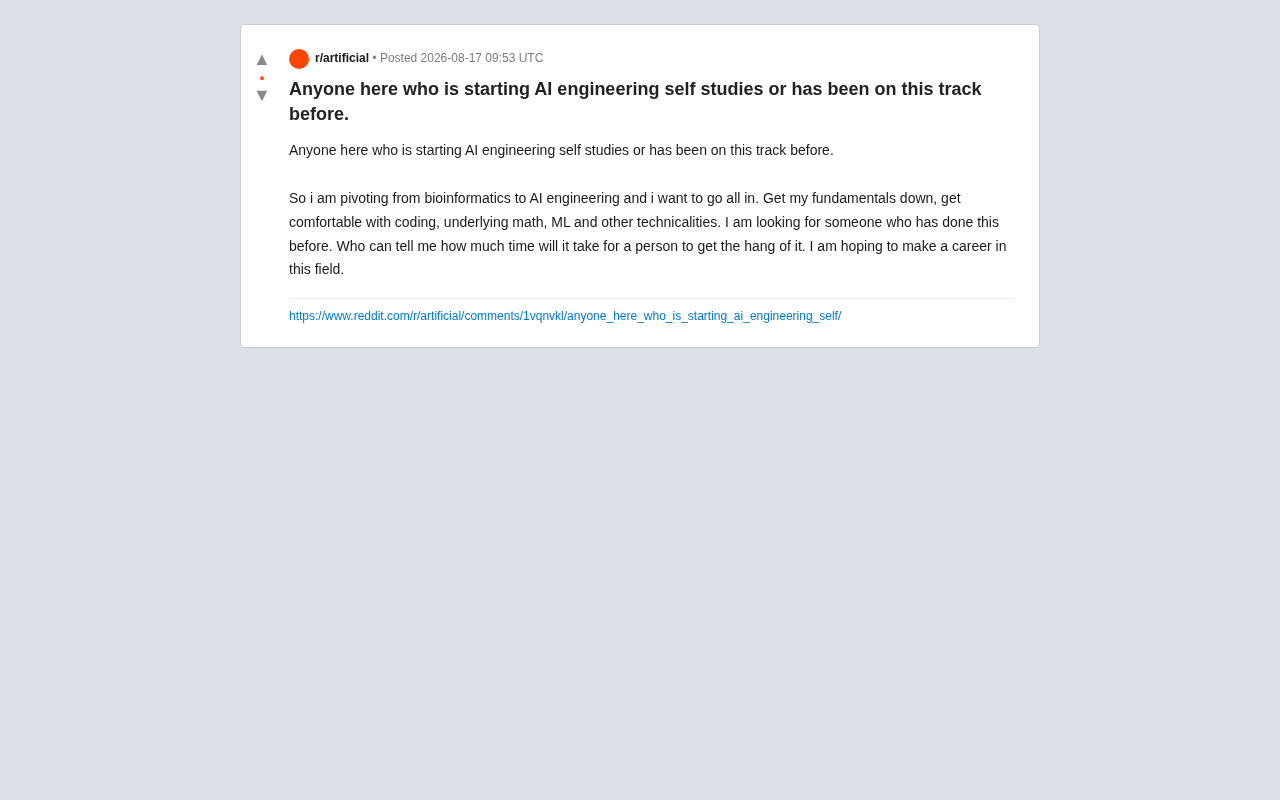
Transitioning from Bioinformatics to AI Engineering: A Complete Self-Study Roadmap with Timeline
How to transition from bioinformatics to AI engineering? A complete self-study roadmap covering math, ML, deep learning, and engineering practice with timelines and practical advice.
Read more →

·3 min
Cursor Auto Pricing Adjustment Explained: Is Per-Model Pricing a Hike or a Discount?
Cursor announces Auto mode pricing shift from flat rate to per-model billing with increased plan limits. We break down the real impact for light and heavy users.
Read more →

·3 min
How to Become an AI Developer? A Systematic Beginner's Roadmap
A complete learning roadmap to become an AI developer from scratch: covering Python basics, math foundations, ML/DL core concepts, LLM application development, and hands-on project experience.
Read more →

·3 min
Do AI/ML Job Seekers Really Need to Grind LeetCode? The True Weight of Algorithms vs. AI Skills
Should AI/ML engineers grind LeetCode? This article analyzes DSA's real weight across roles and offers phased prep strategies to pass algorithm interviews efficiently.
Read more →

·6 min
Flask Creator's Conversation: Why We Need to Slow Down in the AI Coding Era
Flask creator Armin Ronacher and minimalist Agent Pi's author Mario Zechner discuss AI coding limitations, code quality decline, MCP vs CLI, and why engineers need to slow down.
Read more →
·3 min
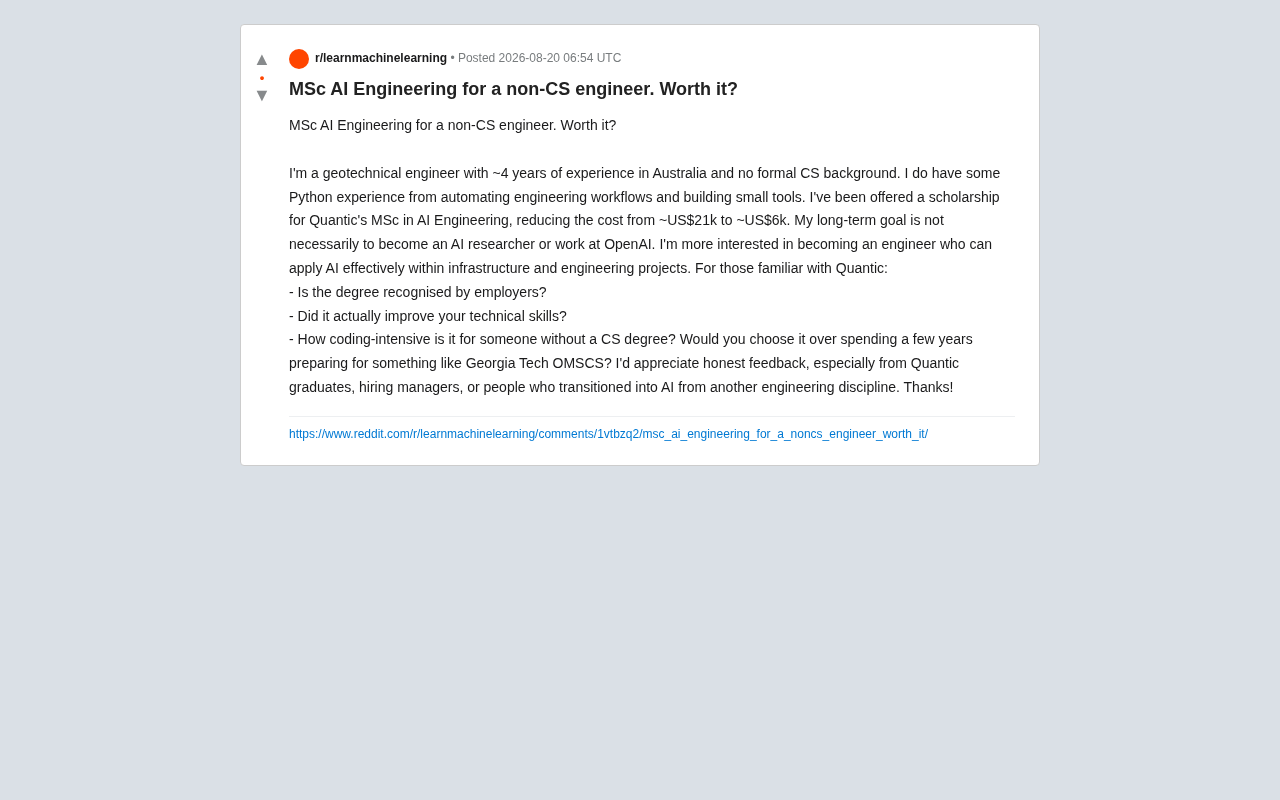
Is an AI Master's Worth It for Non-CS Engineers? Quantic vs OMSCS Deep Comparison
Should non-CS engineers pursue an AI master's? Deep comparison of Quantic AI Engineering vs Georgia Tech OMSCS, analyzing degree recognition, programming barriers, and ROI for traditional engineers transitioning to AI.
Read more →

·4 min
Implementing Reinforcement Learning from Scratch in Python: A Complete Guide from Beginner to Advanced
A complete guide to implementing reinforcement learning from scratch in Python, covering Q-Learning core logic, six practical improvement tips, and a progression path from tabular methods to DQN.
Read more →

·3 min
LangChain in Practice: A Complete Guide to Building Safe and Controllable AI Agents
Deep dive into LangChain's three-layer ecosystem (LangGraph, LangChain, DeepAgents), with detailed coverage of Guardrail and HITL safety strategies for building secure, controllable AI Agents.
Read more →

·2 min
Is Kimi K3 Really Cheap? Real-World Testing Reveals the Hidden Cost of Token Consumption
Reddit developer testing reveals Kimi K3's low token price hides high real costs. Learn to evaluate LLM costs by Total Cost of Task, not just unit price.
Read more →

·3 min
Octomind Cloud: A Cloud-Based AI Coding Agent Platform with Zero API Keys
Octomind Cloud and Hub is a cloud AI coding platform with zero API keys, 27+ built-in models, per-second billing, and cross-device session continuity that claims to outperform Claude Code and Codex.
Read more →

·4 min
AI-Powered APP Reverse Engineering: Using LLMs to Automatically Patch Browser Environments
Learn how to use LLMs like GPT and DeepSeek to automate browser environment patching in APP reverse engineering, compressing hours of manual work into minutes.
Read more →