#大语言模型
301 related articles
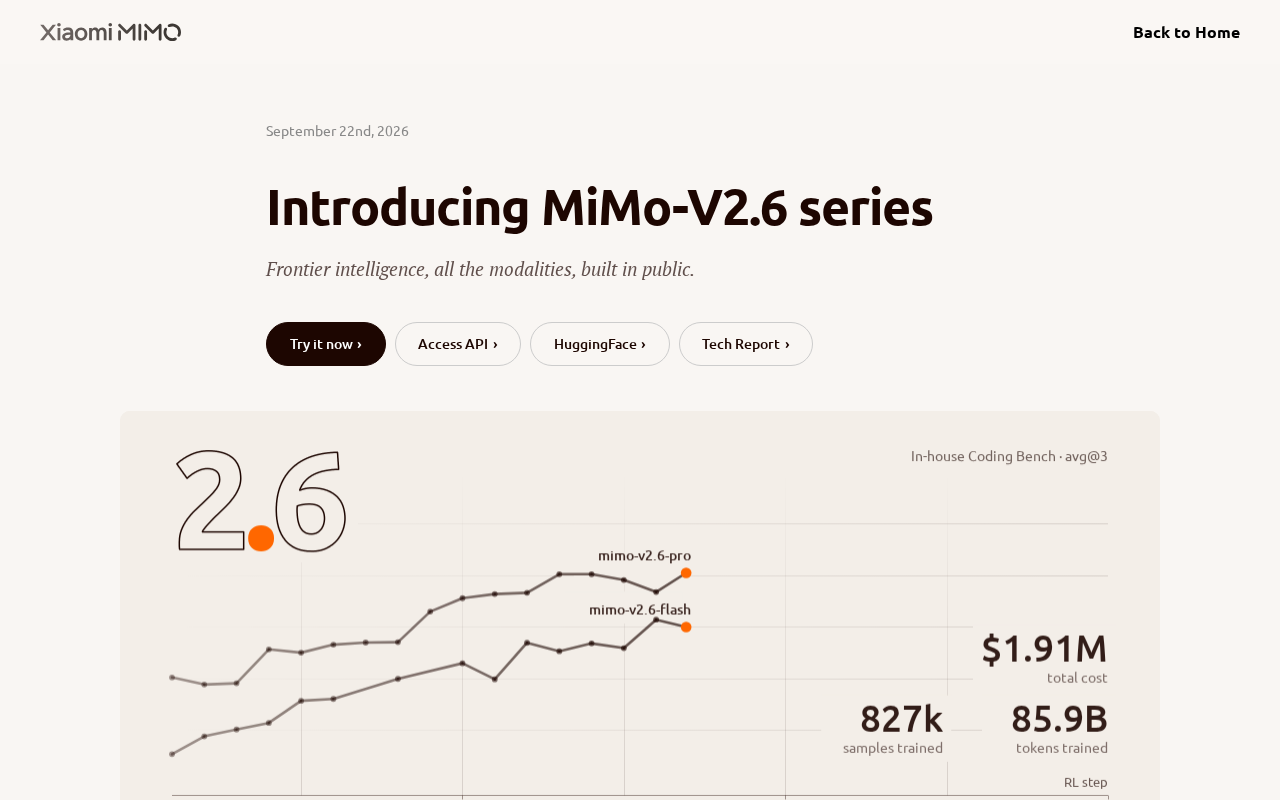
Xiaomi MiMo v2.6 Released: Another Step Forward for Open-Source LLMs
Xiaomi releases MiMo v2.6, its latest open-source LLM, drawing nearly 300 upvotes on Hacker News. We break down MiMo's positioning, strategic significance, and place in the open-source model landscape.

Fable 5 Sparks Debate: Is AI Reasoning Actually Getting Worse?
Hacker News erupts over "Fable 5" claims that AI median reasoning declined in August. We analyze why model performance fluctuates and why third-party monitoring matters.
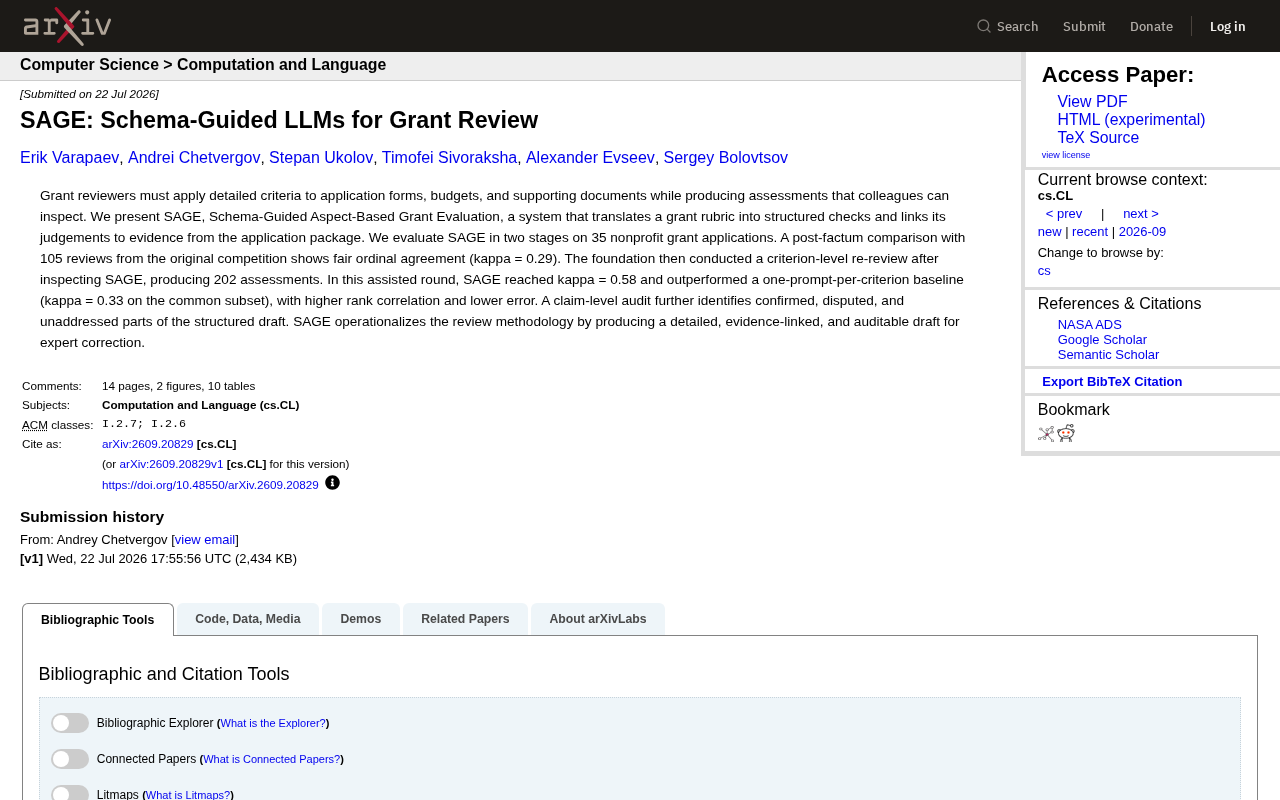
SAGE: Schema-Guided LLM Grant Review Achieves Moderate-to-High Human-AI Agreement
The SAGE system uses schema-guided LLMs to generate auditable grant review drafts. In human-AI collaboration mode, it achieves kappa=0.58 agreement—well above simple prompting baselines.

SpecOpt: An Agentic Framework for Optimizing Drug Molecule Target Specificity
SpecOpt is an agentic framework that improves drug target specificity via residue-aware contact analysis and LLM reasoning. 84.8% of 915 compounds showed improved binding selectivity.

How Do We Ensure Quality in AI Psychiatric Interviews? A Clinical Validation Platform Offers an Answer
A new arXiv study introduces InterviewPlayground, using memory-augmented simulated patients to evaluate AI psychiatric intake quality. LLMs hit 88% info recall but show more hallucinations and weaker safety documentation than clinicians.
Chat-Based LLMs: Why They're as Addictive as a Psychic Reading
Research shows chat LLMs replicate the core mechanisms of psychic cold reading — using sycophancy and vague statements to create an illusion of AI understanding. An analysis of LLMs, cold reading, and the Barnum effect.

Tired of the AI Tone: Where Does That Uniform LLM Voice Come From?
Why do ChatGPT, Claude, and other LLMs all sound the same? We break down the causes of the AI tone, its impact on public writing, and practical ways to reduce it.

The Elias Thorne Phenomenon: Why AI Chatbots Keep Fabricating the Same Fictional Person
Why do AI chatbots keep inventing a fictional person named Elias Thorne? This article unpacks LLM hallucination mechanics, training data bias, and model collapse risks.

GPT-6 Astra Cracks WWI German Military Radio Cipher: A New Milestone in AI Reasoning
GPT-6 Astra reportedly cracked a WWI German radio cipher. We analyze the AI reasoning capabilities involved, historical cryptography context, community skepticism, and real-world limits.

Step 5 Preview by Stepfun Reaches the Artificial Analysis Pareto Frontier
Stepfun's Step 5 Preview LLM reportedly enters the Artificial Analysis Pareto frontier. We explain what this means for performance-cost tradeoffs and how to read benchmark signals rationally.

GPT Models and "Harm Laundering": Gender Bias Transformed, Not Eliminated
GPT models may not eliminate gender bias — they transform it into subtler forms through "Harm Laundering." This article examines this AI governance blind spot and its implications for model evaluation.

Cache-to-Cache: Letting LLMs Communicate Through KV Cache Instead of Text
Cache-to-Cache (C2C) proposes letting LLMs skip text and communicate directly at the KV Cache level, reducing information loss and redundant computation in multi-agent collaboration.
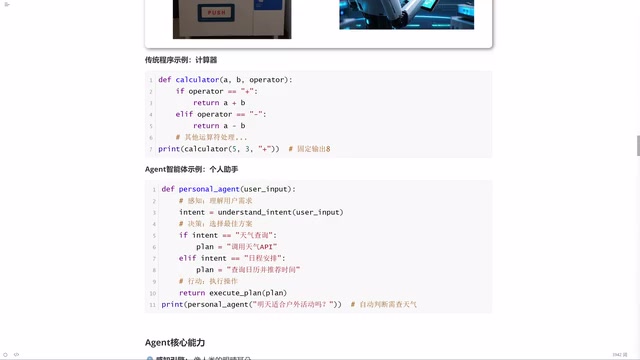
AI Agent Fundamentals: From Traditional Programs to the Perception-Decision-Action Loop
A beginner's guide to AI Agents: covering traditional programs vs. agents, the perception-decision-action loop, LLM + tool calling + memory stack, and real-world use cases.
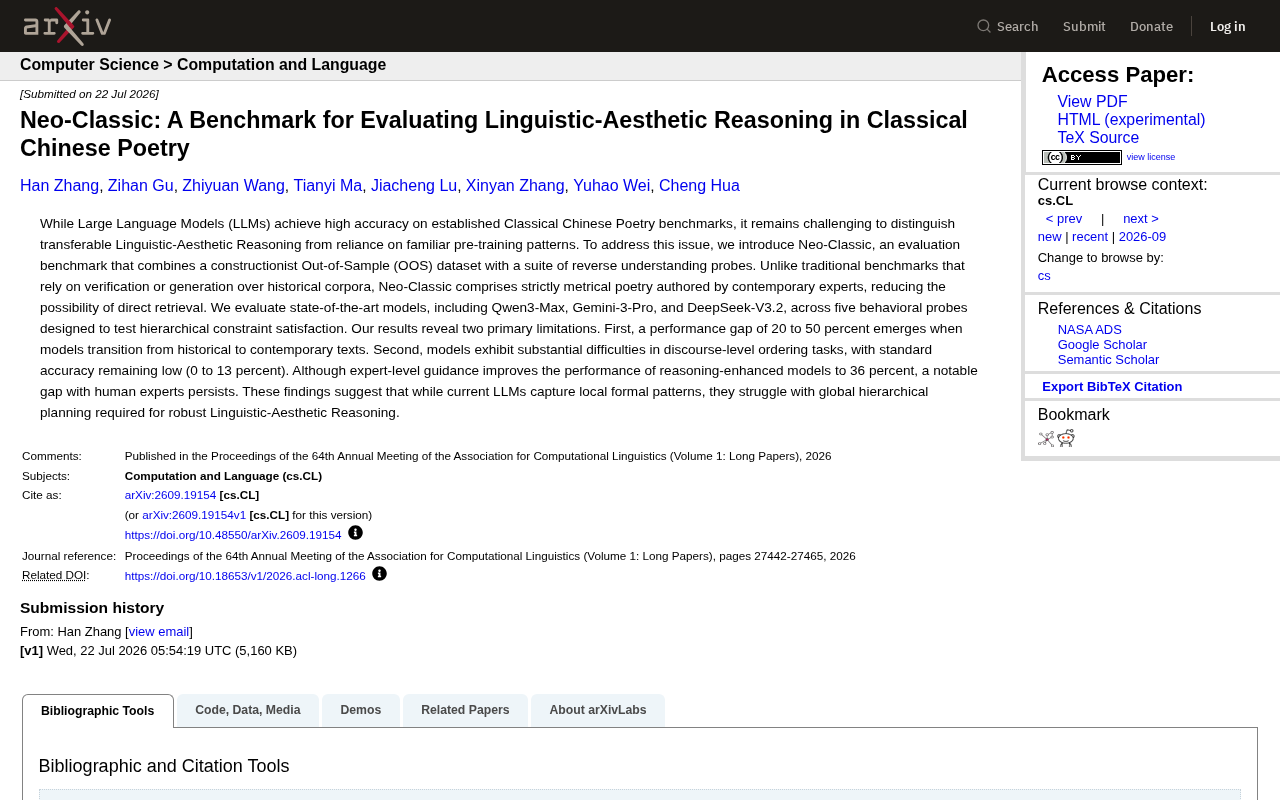
Neo-Classic Benchmark: Can LLMs Truly Understand Classical Chinese Poetry?
Neo-Classic benchmark tests LLMs on contemporary classical Chinese poetry. Top models like Qwen3-Max and DeepSeek-V3.2 show 20–50% performance drops and just 0–13% passage ordering accuracy.
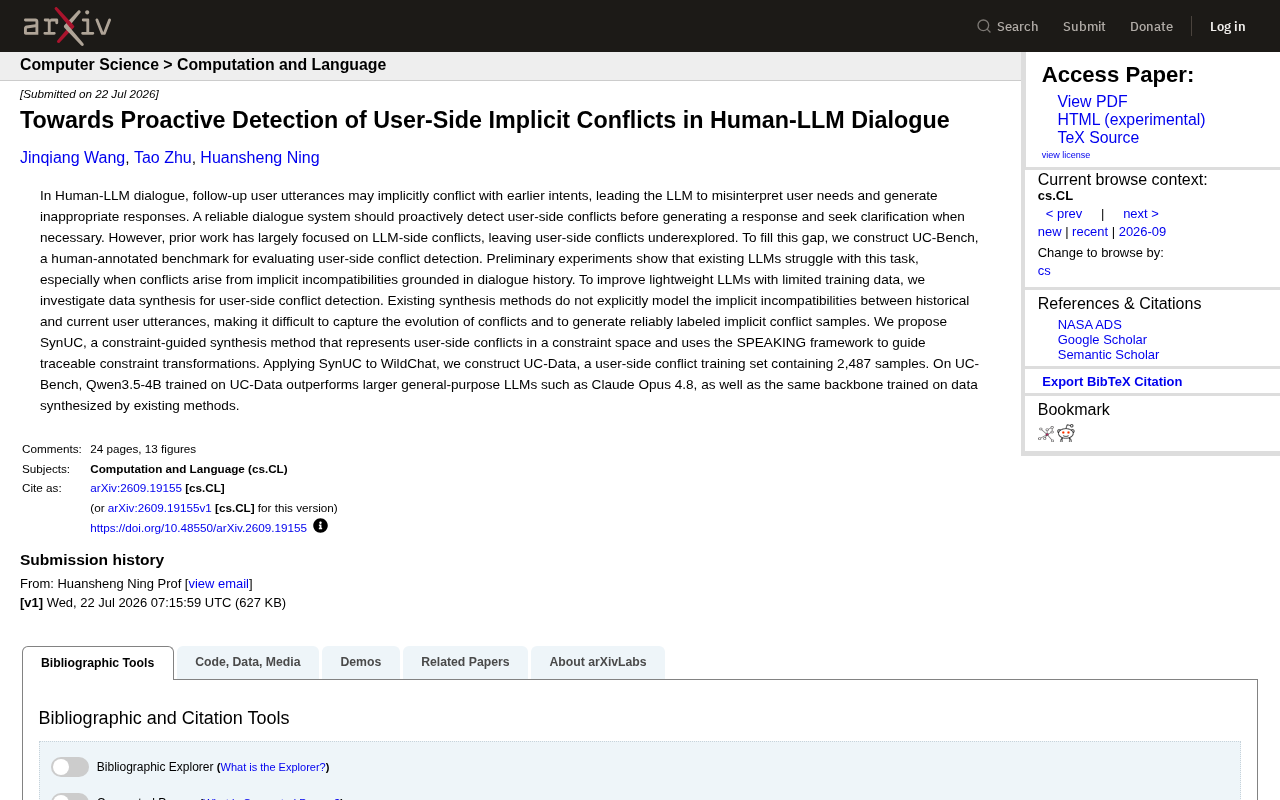
Making LLMs Proactively Detect User Contradictions: UC-Bench and the SynUC Synthesis Method Explained
UC-Bench and SynUC: a new benchmark and constraint-guided synthesis method for detecting user-side implicit conflicts in LLM dialogues. A 4B model outperforms Claude Opus.
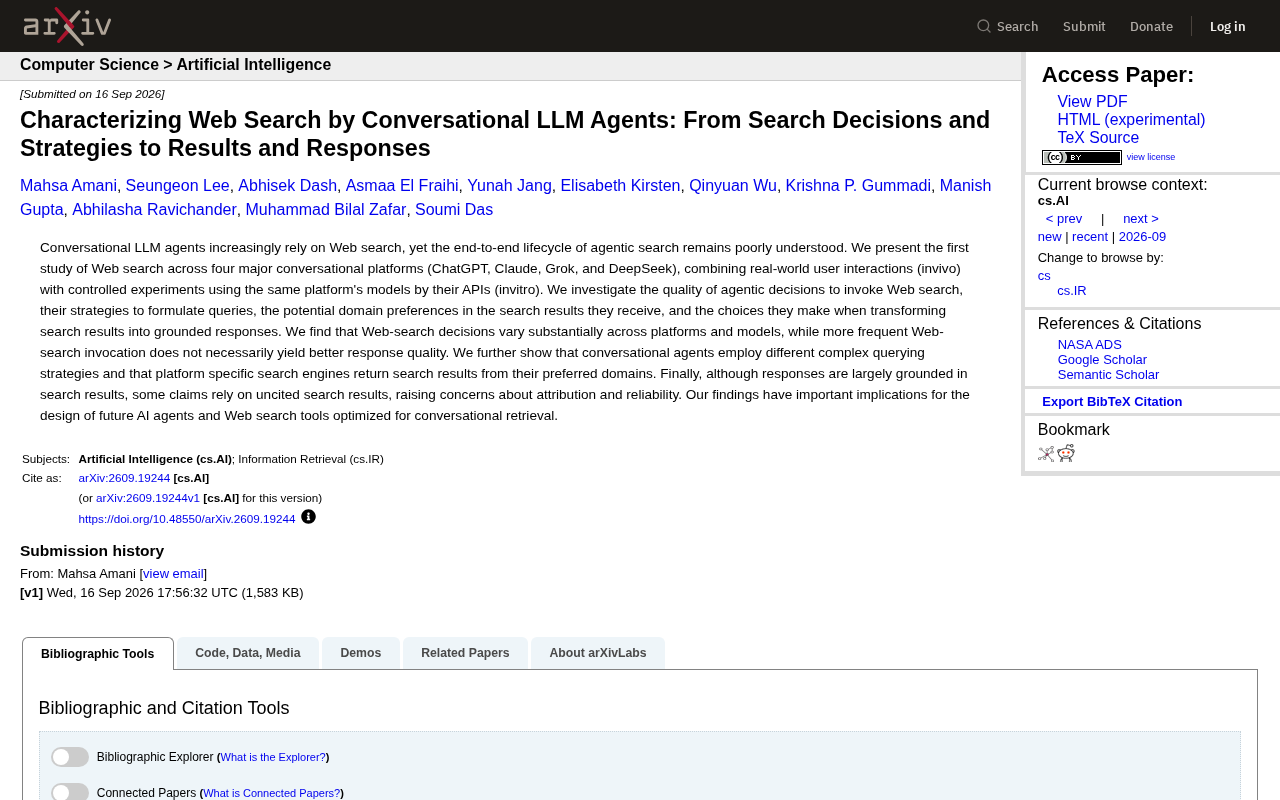
Dissecting Web Search in Conversational AI: Which Is More Reliable — ChatGPT, Claude, or Grok?
A new arXiv study systematically analyzes web search pipelines across ChatGPT, Claude, Grok, and DeepSeek, revealing key issues in search decisions, query strategies, domain bias, and missing citations.
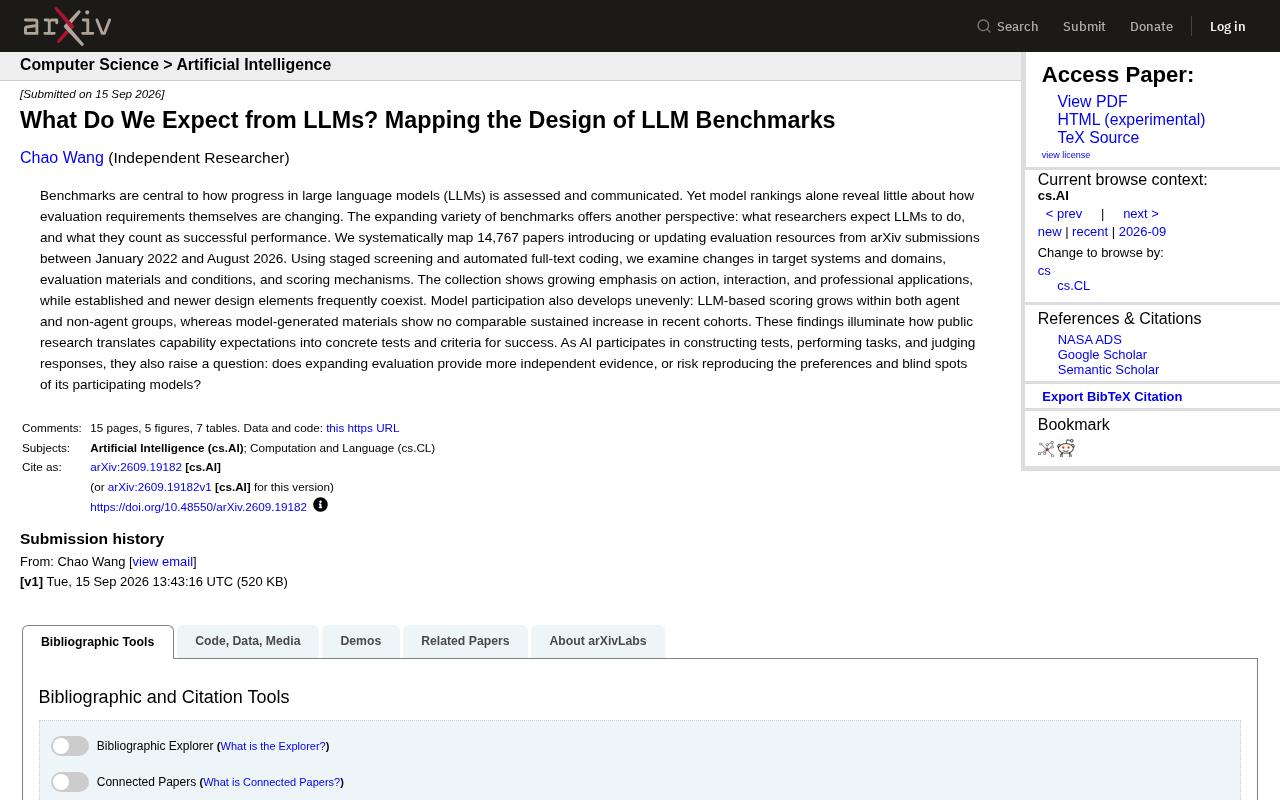
Decoding LLM Benchmarks: What 14,767 Papers Reveal About How Evaluation Is Changing
A study analyzing 14,767 arXiv papers maps the evolution of LLM benchmark design: evaluation is shifting toward action and interaction, LLM-as-a-judge is rising, and concerns about evaluation independence are deepening.

PrismML Bets on Tiny LLMs: Can Small Models Reshape How We Use AI?
AI lab PrismML is betting on tiny LLMs — small, low-cost, locally runnable models — to reshape how people use AI. Here's why the approach matters and what's still unproven.
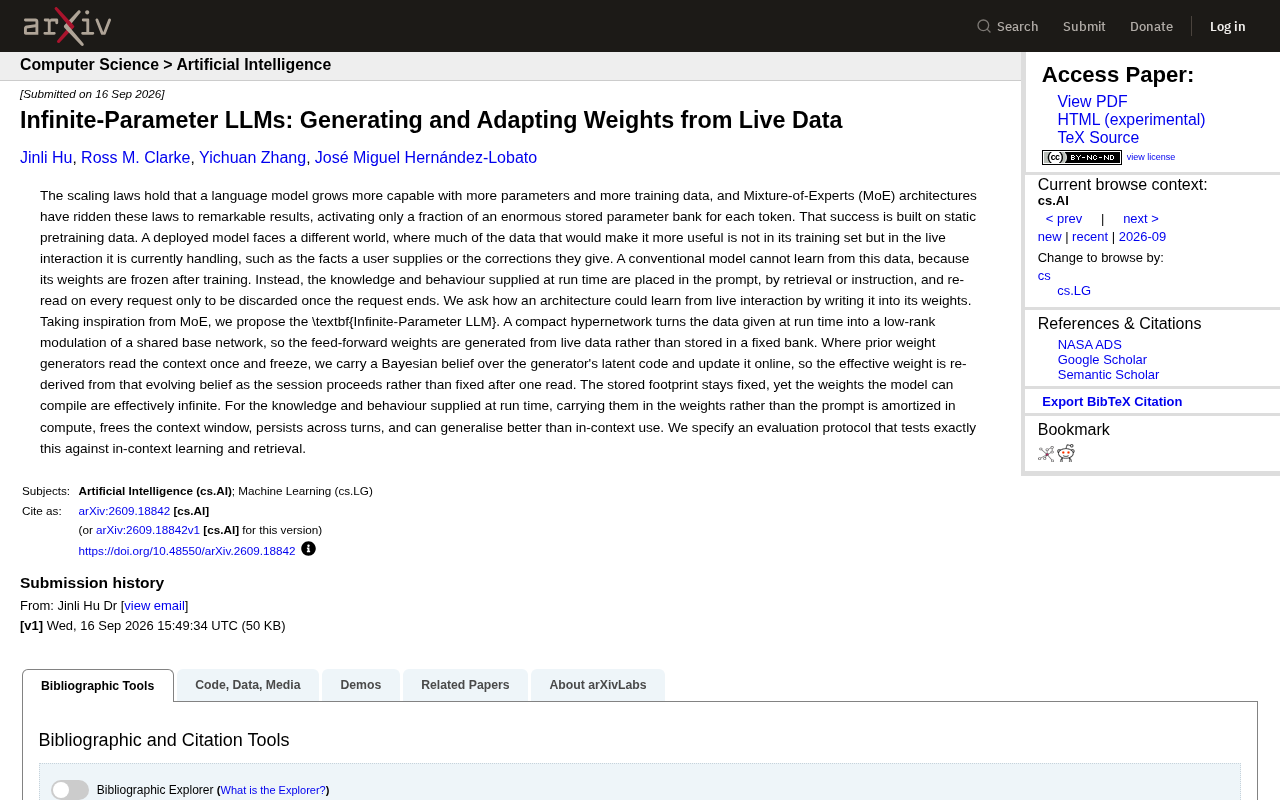
Infinite-Parameter LLMs: Dynamically Generating and Adjusting Model Weights from Real-Time Data
Infinite-Parameter LLMs propose dynamically generating model weights from real-time data, breaking the fixed-parameter constraint. We explore the core idea, differences from RAG and hypernetworks, potential value, and key challenges like stability and compute overhead.
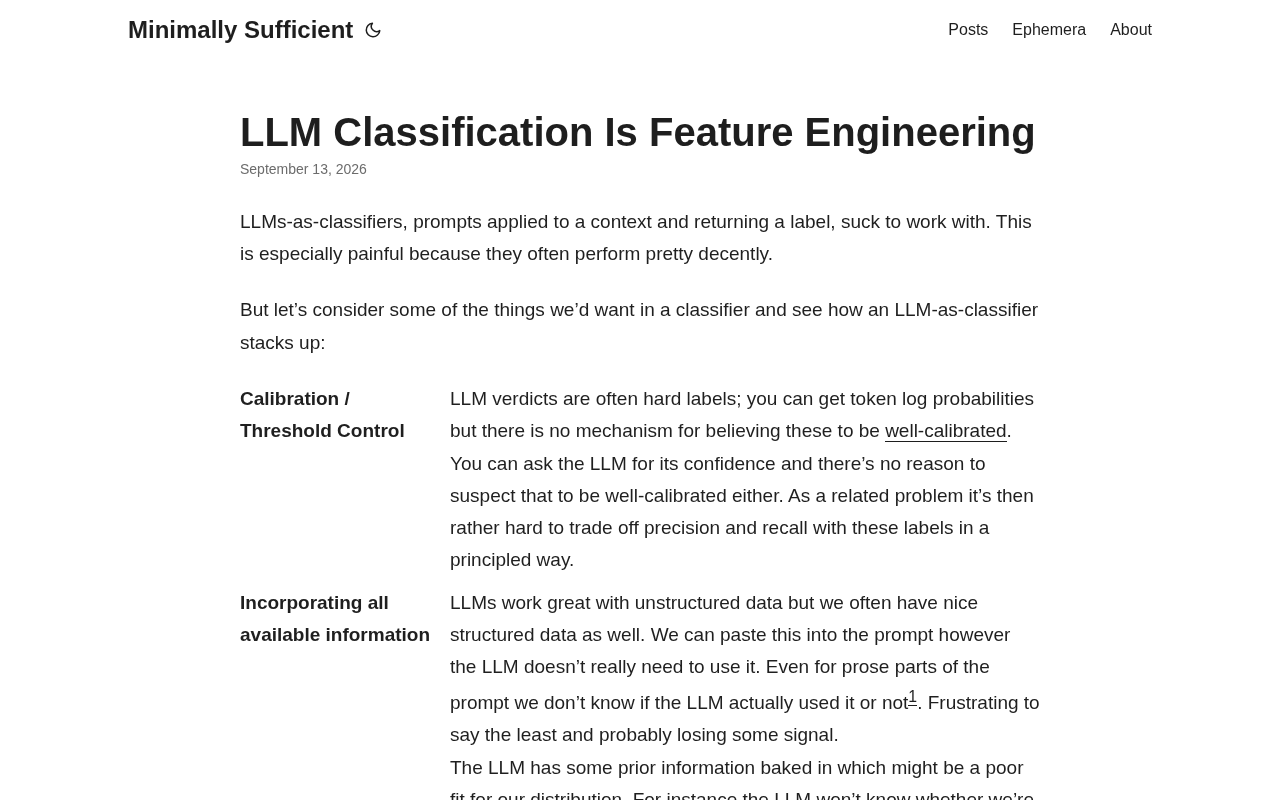
LLM Classification Is Feature Engineering: Rethinking How We Apply Large Language Models
Using LLMs for classification is fundamentally feature engineering. This article examines the representation and decision stages, explains why prompt engineering equals modern feature engineering, and offers practical guidance on hybrid architectures for production.