#Agentic coding assistant
373 related articles

·3 min
Vibe Coding in Practice: A Comprehensive Review and Selection Guide for 6 AI Coding Tools
In-depth comparison of 6 Vibe Coding tools — Claude Code, Trae, Zhipu, Cursor, and more — covering setup cost, Chinese support, pricing, and code quality.
Read more →

·2 min
Geek Challenge: Running Claude Code Natively on Windows XP
A developer is porting Claude Code to run natively on Windows XP — no SSH/RDP. Login, chat, and web search already work. Bash tool calls remain the key blocker.
Read more →
AI Can Write Ruby But Can't Navigate C…
·2 min
AI Can Write Ruby But Can't Navigate Codebases? A 5-Model, 13-Project Benchmark Reveals the Truth
A benchmark covering 5 major AI models and 13 real Ruby codebases reveals: AI excels at generating code but struggles to navigate existing codebases. A deep dive into findings, Ruby metaprogramming challenges, and practical implications for developers.
Read more →
Clawk: Creating Disposable Linux Sandb…
·2 min
Clawk: Creating Disposable Linux Sandbox Environments for AI Coding Assistants
Clawk offers a core solution to AI coding assistant security risks: disposable Linux VMs that isolate SSH keys, API tokens, and sensitive data from agents like Claude Code and Cursor.
Read more →

·2 min
Claude Code Installation Guide for China: Complete Setup from Scratch
Complete guide to installing Claude Code in China: platform steps for Windows/macOS, VPN requirements, Git dependency, error fixes, and how it differs from Cursor and VS Code.
Read more →

·3 min
Multi-Repo Microservice Development: The Workspace-Level Configuration Gap in AI Agents
Explore why AI agent tools (Codex, Claude Code, Gemini) lack workspace-level config for multi-repo microservice dev, and discover practical solutions like symlinks, custom paths, and cascading config.
Read more →

·2 min
Getting Started with Claude Code: A Complete AI Coding Tool Comparison & Practical Guide
A deep dive into Claude Code's core strengths: full project context reading, auto error fixing, and agentic coding. Compare Copilot, Cursor, Trae, and Codex to find the right AI coding tool for you.
Read more →

·3 min
GPT-5.6 and ChatGPT Work Launch: AI Evolves from Conversational Assistant to Task Executor
OpenAI launches the GPT-5.6 family (Sol/Terra/Luna), ChatGPT Work, a new desktop app, and Hosted Sites — marking AI's evolution from Q&A assistant to autonomous task executor.
Read more →

·3 min
Getting Started with Claude Code: Full Project Context Understanding and Why It Beats Cursor and Trae
Claude Code is Anthropic's local AI coding assistant that reads your entire project context, auto-debugs, and outperforms Cursor and Trae on accuracy. Learn why.
Read more →

·4 min
Claude Code vs. Codex vs. Cursor: A Deep Comparison of Three AI Coding Tools
Claude Code, Codex, or Cursor? This in-depth comparison covers each tool's positioning, ideal users, and how to combine them for maximum productivity in your AI coding workflow.
Read more →

·2 min
ChatGPT Work Officially Launches: How GPT-5.6 Reshapes the Way You Work
OpenAI launches ChatGPT Work and the GPT-5.6 model family—Sol, Terra, and Luna. From financial analysis to local file processing and interactive site generation, AI moves from answering questions to getting work done.
Read more →
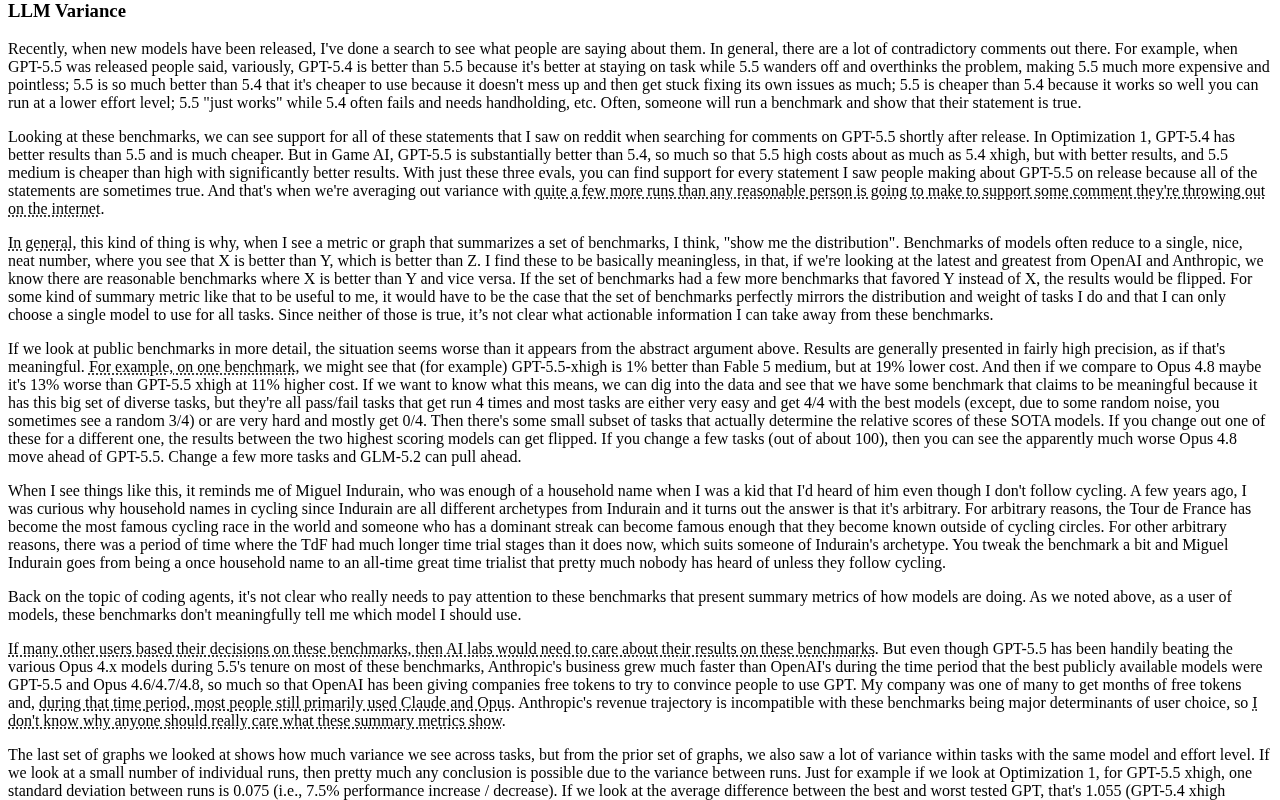
·1 min
Agentic Coding in Practice: Test Feedback Loops, LLM Benchmarks, and an Engineering Adoption Guide
An in-depth look at agentic coding: how test-driven loops enable AI self-correction, the real limits of LLM benchmarks, and key engineering lessons on context management and human-AI collaboration.
Read more →

·3 min
GPT-5.6 Hands-On: Building a Shooter Game and a Premium Website from a Single Prompt, Plus GPT-Live Voice Experience
Hands-on with GPT-5.6 and GPT-Live: build a playable shooter game from one prompt in 19 minutes, generate a premium animated website via multimodal understanding, and experience emotional two-way voice conversation. A full review of ChatGPT and Codex deeply integrated.
Read more →

·2 min
Testing the Claude Code Job Hunting Agent: A Deep Dive into AI Job Search, the 20K-Star Open Source Project
AI Job Search is an open source, Claude Code-powered job search automation tool with over 20K GitHub stars. It offers resume tailoring, cover letter generation, dual-Agent QA, and keeps humans in control of submission.
Read more →

·4 min
In-Depth Comparison of 4 AI Coding Tools: Cursor, Claude Code, Codex, and Opencode — Which Is Worth Buying?
A real-world review of subscribing to Cursor, Claude Code, Codex, and Opencode simultaneously. Compare quotas, model capability, and value to find your ideal AI coding subscription.
Read more →

·6 min
Spec-Driven Development in Practice: The New AI Coding Paradigm from Andrew Ng × JetBrains
Andrew Ng partners with JetBrains to launch a Spec-Driven Development course, teaching how to direct AI coding agents via spec files to boost intent fidelity and build maintainable production apps.
Read more →

·4 min
Running Out of Codex Quota? An In-Depth Review of HeyRoute's GPT-5.5 Integration
Codex quota running out too fast, or API costs too high? HeyRoute offers a low-cost AI coding relay via GPT-5.5, with ~1.08s first response and 99.95% success rate. This in-depth review covers its selling points, pricing, and caveats.
Read more →
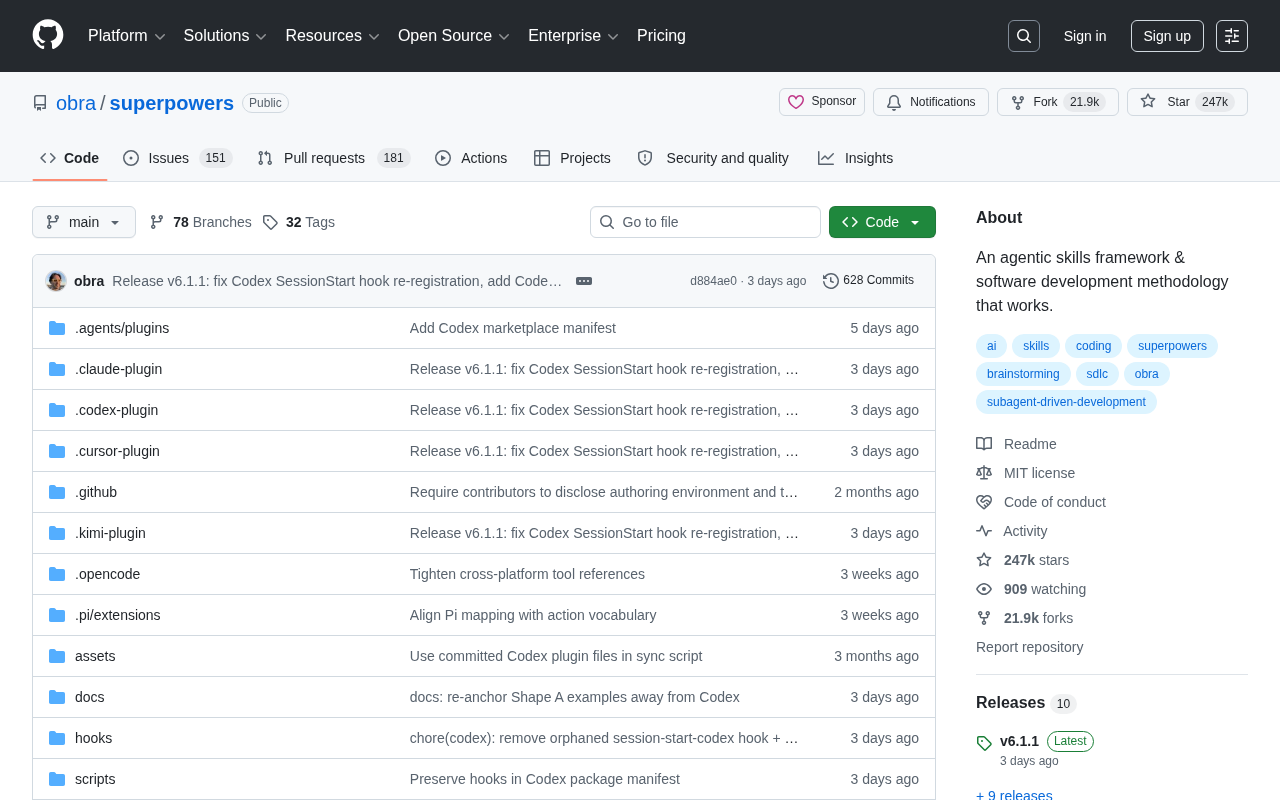
·4 min
Superpowers: Enabling AI Agents to Truly Master Software Development Methodology
Superpowers is a trending GitHub project that builds an agentic skills framework with Shell scripts, injecting software engineering methodology into AI coding workflows. A deep dive into its architecture and value.
Read more →

·5 min
GPT-5.6 Launches: Comprehensive Upgrades to ChatGPT Work, Sites, and Desktop Client
OpenAI releases the GPT-5.6 model family, launching enterprise-focused ChatGPT Work, one-click ChatGPT Sites, and a major desktop client upgrade, with coding now ahead of rivals. Meta, Google, and Kimi follow intensively.
Read more →

·2 min
GPT-5.6 Autonomously Writes 1,000 Lines of Code: AI Programming Enters the Task Delegation Era
A Snorkel AI research scientist tested GPT-5.6, which independently completed a nearly 1,000-line coding task without repeated prompting. This article explores the context management breakthrough and AI programming's shift toward autonomy.
Read more →