#NPU optimization
2374 related articles
·3 min
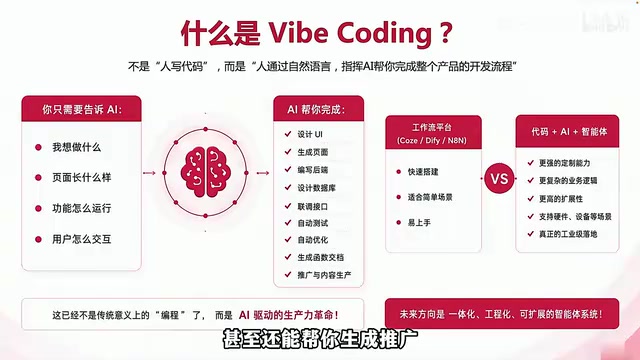
Vibe Coding Practical Guide: AI Full-Stack Development for Building a One-Person Company
A deep dive into Vibe Coding: from requirements analysis, UI design, multi-platform deployment to AI-automated operations. Master the full-stack AI development loop for one-person companies.
Read more →

·2 min
WebBrain: A Free, Open-Source Local AI Browser Sidebar Assistant
WebBrain is an open-source browser AI sidebar assistant that runs LLMs locally via llama.cpp — zero cost, zero privacy risk. Supports BYOK for OpenAI, Claude, and 100+ providers.
Read more →
·3 min
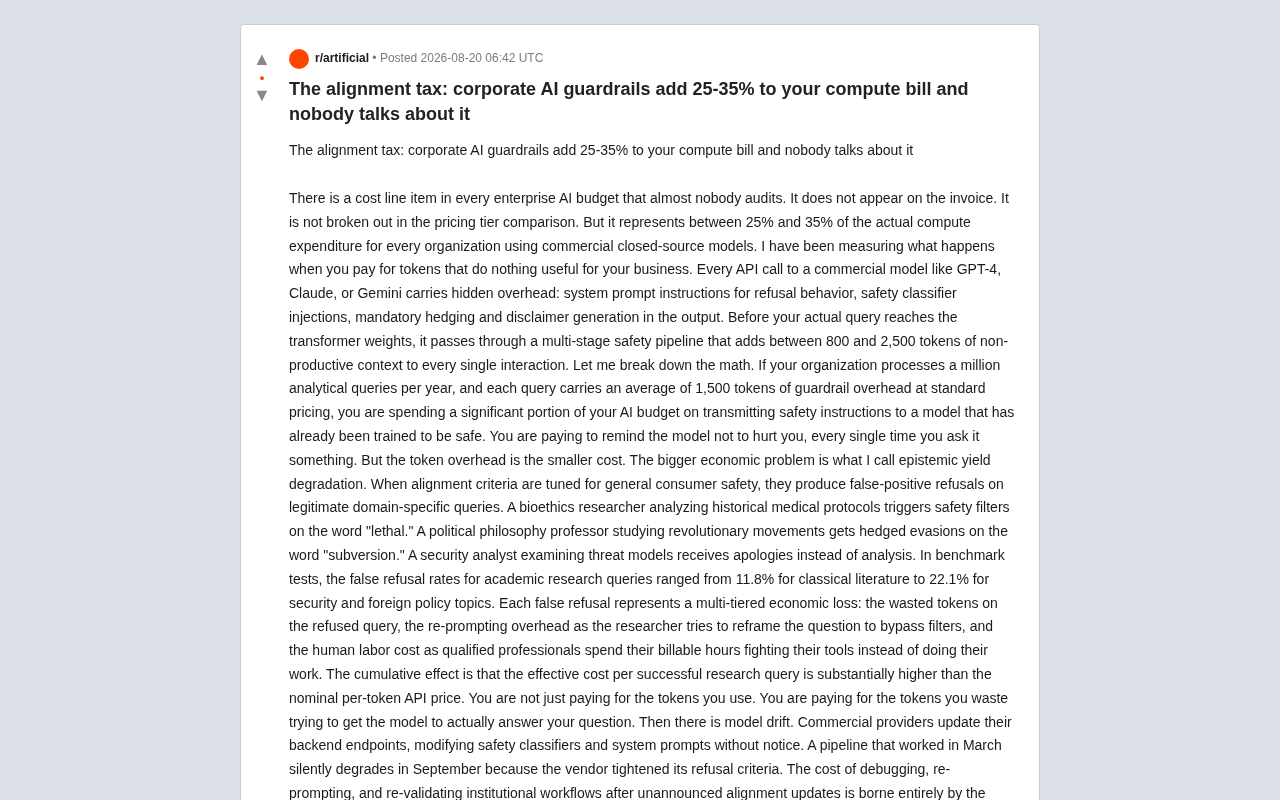
The Alignment Tax: AI Safety Guardrails Are Consuming 35% of Your Compute Budget
Analysis of the hidden "alignment tax" in commercial AI: safety guardrails consume 25-35% of compute budgets through token overhead, false refusals, and model drift. Self-hosted open models offer an alternative.
Read more →

·3 min
Ornith 1.5 35B Hands-On: Q4 vs Q8 Quantization Comparison — Which One Is Worth Running?
In-depth comparison of Ornith 1.5 35B-A3B Q4KM vs Q8 quantization across browser OS, FPS games, 3D modeling and more, helping consumer hardware users choose the right version.
Read more →

·3 min
Google Pixel 11 Deep Dive: How the Tensor G6 Chip and Gemini AI Are Redefining the Smartphone Experience
Google Pixel 11 features the Tensor G6 chip, deep Gemini AI integration, LED HiLight notifications, and upgraded camera hardware. A full analysis of Google's most personalized flagship.
Read more →
·3 min
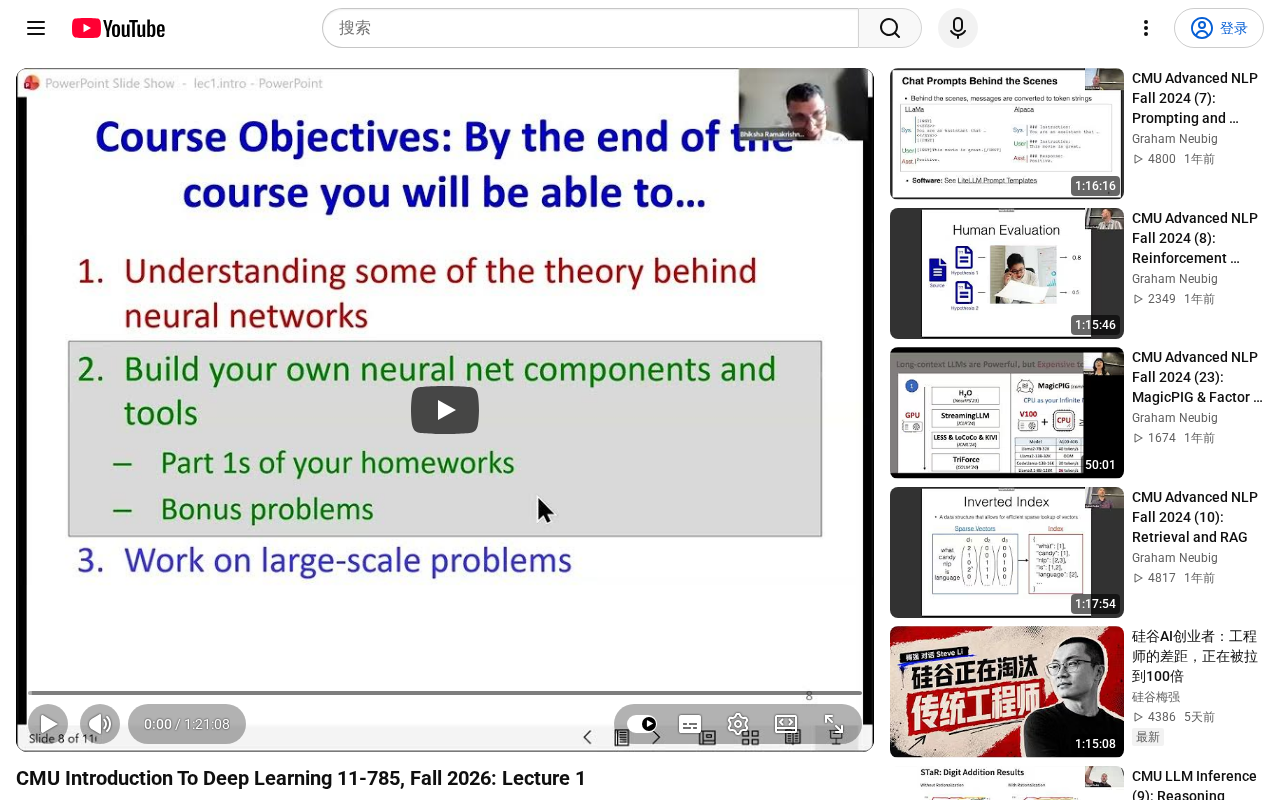
CMU 11-785 Deep Learning Course: Why It Keeps Getting Recommended
An in-depth look at CMU 11-785 Introduction to Deep Learning—its core features, challenging assignments, and learning value—and why it's one of the most recommended free deep learning courses.
Read more →
·3 min
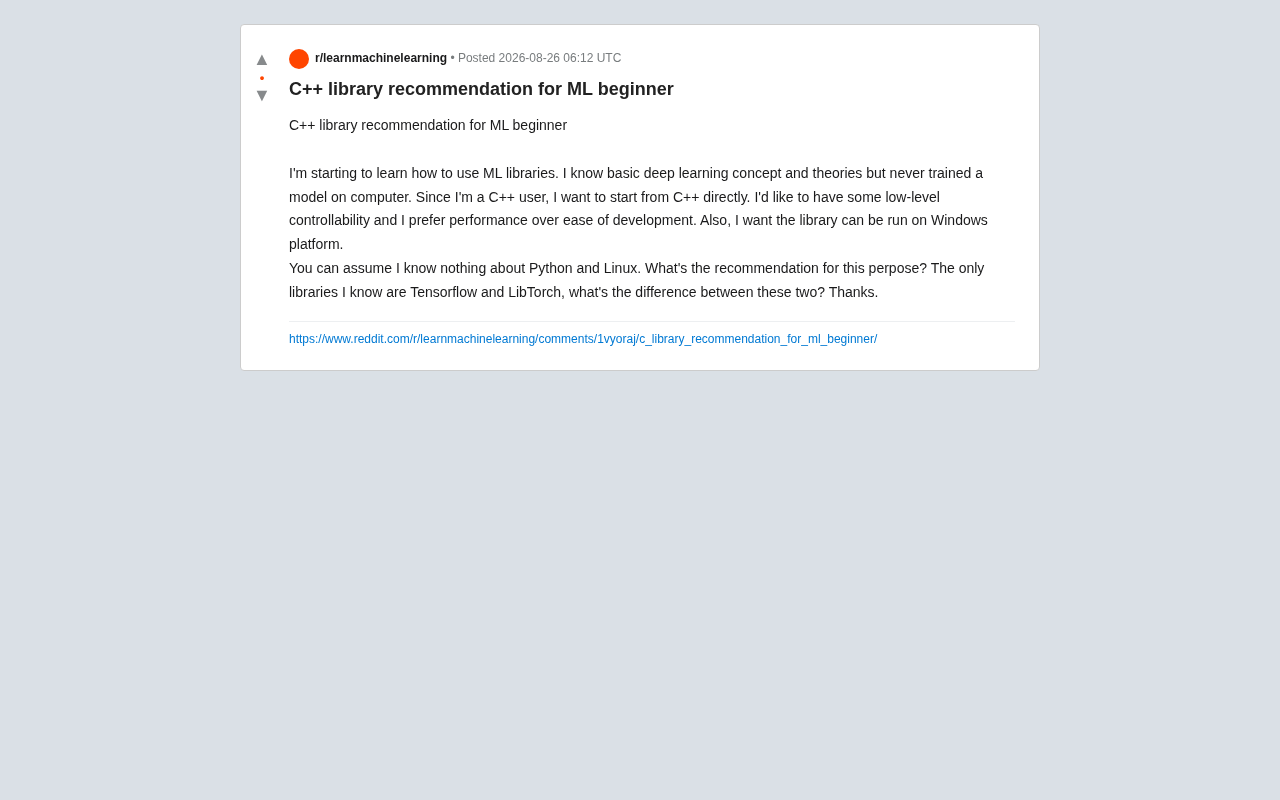
How to Choose a C++ Machine Learning Library: A Comparison Guide for LibTorch vs. TensorFlow
Compare LibTorch and TensorFlow C++ API for machine learning, covering training, Windows support, and learning curve, plus lightweight alternatives like Eigen and mlpack.
Read more →

·2 min
DeepSeek API Pricing Adjustments Explained: A New Option for Developer Cost Optimization
In-depth analysis of DeepSeek's latest API pricing strategy, covering context caching, price comparisons with GPT-4 and Claude, the LLM API price war, and developer recommendations.
Read more →

·3 min
Cursor Auto Pricing Adjustment Explained: Is Per-Model Pricing a Hike or a Discount?
Cursor announces Auto mode pricing shift from flat rate to per-model billing with increased plan limits. We break down the real impact for light and heavy users.
Read more →

·2 min
OpenAI Launches Limited-Time Price Cut for GPT-5.6 Sol: AI Model Price War Intensifies
OpenAI launches a limited-time price cut for GPT-5.6 Sol, sparking developer community debate. Analysis of the competitive logic, developer ecosystem impact, and future of AI model pricing wars.
Read more →

·3 min
Getting Started with AI and Large Language Models from Scratch: A Complete Learning Roadmap
A complete roadmap for learning AI, machine learning, and LLMs from scratch—covering math foundations, Python, top courses, hands-on projects, and community resources for beginners.
Read more →
·3 min
Open Executive: How Developers Fight Back by Replacing CEOs with Open-Source AI
Laid-off developers built Open Executive, an open-source project to replace CEOs with AI — a satirical but sharp critique of power asymmetry in AI-driven layoffs.
Read more →

·3 min
MiniMax H3 In-Depth Review: A Comprehensive Evaluation of the Open-Weight Audio-Driven Video Generation Model
In-depth review of MiniMax H3 open-weight video generation model covering anime, commercial ads, audio-driven video, R2V reference generation, and ComfyUI local deployment tutorial.
Read more →

·4 min
Running a Local AI Coding Assistant on 8GB VRAM: A Practical Guide to Model Selection
How to deploy a local AI coding assistant with only 8GB VRAM? This guide covers VRAM bottlenecks, recommends quantized models like Qwen2.5-Coder-7B, and shares optimization tips for context length, inference backends, and Agent tool calling.
Read more →

·3 min
Agent Context Management: An Architecture Design Guide for Memory and Cost
A deep dive into LLM agent context management architecture, covering layered memory design, context compression, and token cost optimization strategies.
Read more →

·3 min
How to Become an AI Developer? A Systematic Beginner's Roadmap
A complete learning roadmap to become an AI developer from scratch: covering Python basics, math foundations, ML/DL core concepts, LLM application development, and hands-on project experience.
Read more →

·3 min
Practical Roadmap for Backend Engineers Transitioning to AI Agent Engineers: Four Steps to Landing a High-Paying LLM Position
A practical 4-step roadmap for backend engineers to transition into AI Agent roles: from LLM API calls and tool orchestration to production-grade Agent systems.
Read more →

·6 min
Flask Creator's Conversation: Why We Need to Slow Down in the AI Coding Era
Flask creator Armin Ronacher and minimalist Agent Pi's author Mario Zechner discuss AI coding limitations, code quality decline, MCP vs CLI, and why engineers need to slow down.
Read more →

·3 min
Voice-Powered Mystery Games: An Immersive Detective Experience Through Interrogating AI Suspects with Your Voice
Explore a voice-driven AI murder mystery game where players interrogate AI suspects in real-time. Deep dive into the ASR, LLM role-playing, and TTS architecture powering this new paradigm.
Read more →

·2 min
Diet Claude: A Token-Saving Tool That Monitors Usage in Real Time and Optimizes Claude Consumption
Diet Claude is a Chrome extension offering a real-time usage dashboard, token optimization, and cross-model session continuation to help developers and creators avoid hitting Claude's usage limits.
Read more →