#e-commerce course project
92 related articles

·3 min
FeyNoBg: A Deep Dive into the Open-Source Background Removal Model and Training Library
Deep analysis of FeyNoBg, an open-source background removal project with pre-trained models and training library, compared to remove.bg and rembg solutions.
Read more →

·2 min
Harness Engineering: An Advanced Methodology for Programmers to Master AI Coding
From prompt engineering to context engineering to Harness engineering, this article breaks down the three evolutions of AI coding and offers engineering solutions to pain points like hallucinations, non-standard code, and infinite loops.
Read more →

·2 min
Harness Engineering: The Core Methodology for Enterprise-Grade AI Coding
From prompt engineering to Harness Engineering, a deep dive into the three-stage evolution of AI coding. Learn how enterprises use engineered frameworks to harness AI models for production-ready code.
Read more →

·2 min
Harness Engineering: The Core Methodology for Enterprise-Grade AI Coding
From prompt engineering to Harness Engineering: a deep dive into the three-stage evolution of AI coding. Learn how enterprises use engineering frameworks to harness LLMs and ship production-ready code.
Read more →

·5 min
From Vibe Coding to AI Engineering: A Complete Guide to Enterprise-Grade Development
In the AI programming era, Vibe Coding alone can only build toys. This article deeply analyzes the complete engineering path from Vibe Coding to SDD spec-driven development, covering Claude Code and Codex tool selection, the SuperPower plugin, and domestic LLM comparisons.
Read more →

·3 min
Vibe Coding vs. AI Engineering: A Practical Guide to Enterprise-Level AI Programming
From Vibe Coding to AI Engineering, explore Claude Code vs Codex tool selection, real enterprise boundaries of AI programming, and how to build maintainable AI-assisted development workflows.
Read more →

·4 min
Vibe Coding vs. AI-Assisted Engineering: An In-Depth Look at Enterprise-Level Development
Can AI coding tools let non-developers replace programmers? This deep dive examines Vibe Coding's real limits, compares Claude Code vs. Codex, and reveals the methodology behind enterprise-grade AI-assisted software engineering.
Read more →

·2 min
Vibe Coding vs AI Engineering: A Practical Enterprise-Level Comparison Guide
A deep dive comparing Vibe Coding vs AI Engineering, with hands-on analysis of Claude Code and Codex, two real projects, and the role of Skills in enterprise AI development.
Read more →
·3 min
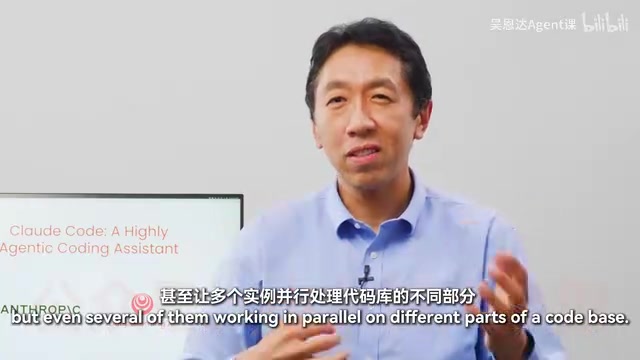
Andrew Ng × Anthropic: A Practical Guide to Claude Code and Its Core Methodology
Andrew Ng and Anthropic's Claude Code course covers RAG development, data analysis, and Figma-to-frontend projects, with deep dives into context management, MCP tools, and CLAUDE.md architecture.
Read more →

·3 min
How to Choose AI Learning Books: A 5-Dimension Rational Evaluation Framework
How to evaluate AI/ML books rationally? Use these 5 dimensions—content depth, code quality, currency, community reputation, and companion resources—to choose wisely.
Read more →
·4 min
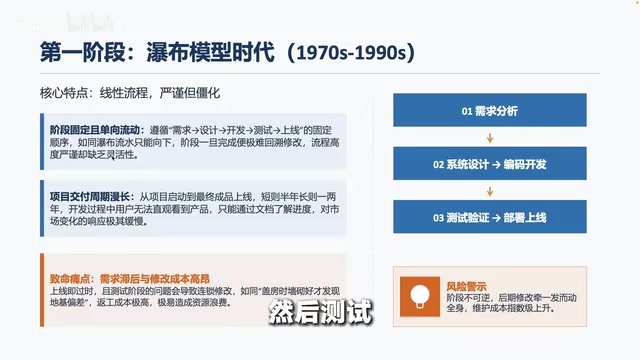
Understanding CI/CD from Scratch: Core Principles and Practical Introduction to Automated Deployment
A clear, practical guide to CI/CD: from Waterfall to DevOps, manual vs. automated deployment, and a full Jenkins + RuoYi hands-on learning path for beginners.
Read more →
Financing the AI Boom: How Tech Giants…
·3 min
Financing the AI Boom: How Tech Giants Are Shifting from Cash Flows to Debt
Tech giants are shifting AI investment financing from free cash flow to large-scale debt. This deep dive explores the structural logic, systemic risks, and macro implications for bond markets.
Read more →
·2 min
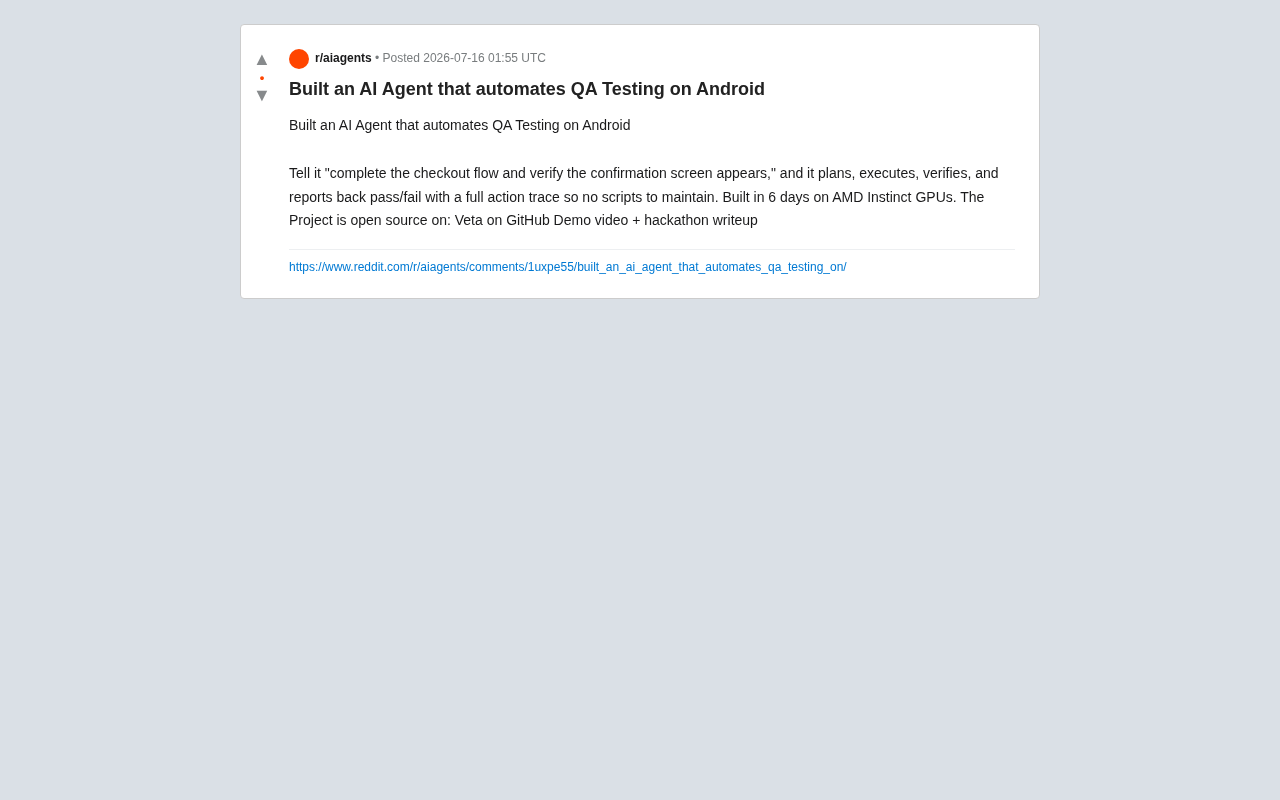
6-Day Open Source AI Agent: Natural Language-Driven Android Automation Testing
Veta is an open source AI testing agent: just describe your test goal in natural language and it autonomously plans, executes, verifies, and reports Android test results — no scripts needed.
Read more →

·3 min
LangChain V1.3 in Practice: Mastering AI Engineering Mindset — From Tool User to Tool Master
Why do AI results vary so dramatically? LangChain V1.3 reveals the answer: engineering mindset. Covers LangGraph, Deep Agent, RAG, Time Travel, and more.
Read more →

·3 min
Enterprise AI Agent Learning Roadmap: A Complete Guide from Beginner to Production
A structured AI Agent learning roadmap covering 4 stages: foundations, core frameworks, scenario practice, and advanced product thinking. Master LangChain, tool calling, memory, and more.
Read more →

·4 min
LangChain V1.3 in Practice: Master AI Engineering Thinking and Break Free from Tool Dependency
LangChain V1.3 course deep-dive: why engineering thinking beats tool-chasing. Covers RAG accuracy myths, Token cost control, and LangChain/LangGraph/Deep Agent breakdowns.
Read more →
·3 min
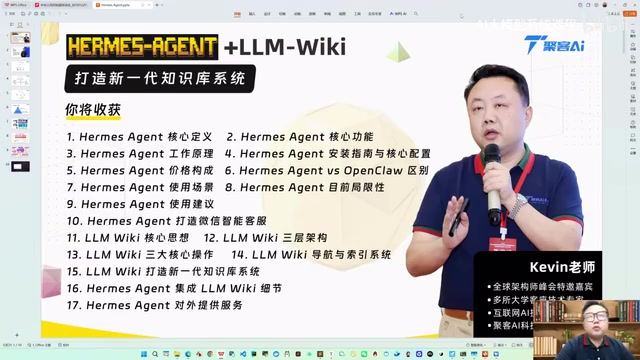
Enterprise AI Agents in Practice: A Developer's Guide to Hermes Agent
A deep dive into Hermes Agent vs OpenCloud with real enterprise case studies across telecom, finance, and e-commerce — revealing why mastery, not tool choice, drives AI agent success.
Read more →

·5 min
The Definitive Guide to Claude Code: Core Methodology and Best Practices for Agentic Programming
A deep dive into Claude Code, the definitive course from DeepLearning.AI and Anthropic: from agentic principles and context optimization to three hands-on cases—RAG chatbot, Figma-to-frontend, and data analysis. Master AI-assisted coding methodology.
Read more →

·2 min
Reproducing GitHub Projects from Scratch: A Complete Guide to Environment Setup and Practical Pitfall Avoidance
Reproducing GitHub projects isn't just git clone. This guide covers project evaluation, conda setup, dependency installation, running .sh scripts on Windows, and debugging tips.
Read more →

·3 min
LangChain V1.3 Hands-On Tutorial: A Complete Breakdown of RAG, Multi-Agents, and Engineering Mindset
An in-depth look at LangChain V1.3's core philosophy: from RAG to multi-agent workflows. Master LangGraph, Chain, and DeepAgent, learn token control and Human-in-the-loop, and become a true master of AI app development.
Read more →